





-250x250.jpg "UTRestore")





This offer ends in:




Research-proven health benefits of Lactobacillus rhamnosus GG:
The following are extracted from published clinical studies, in-house studies, and/or case studies and are for reference purposes only. This does not imply that the product from Lifestream Group Pte Ltd is claimed to replicate the same results produced in the studies. This information is not a substitute for professional medical advice, diagnosis, or treatment. If you have any questions about a medical condition, please consult your physician or other qualified healthcare providers. Any statements or claims made have not been evaluated by the relevant regulatory bodies and are not intended to diagnose, treat, cure, or prevent any disease.
By using the Site, you agree that you have read and acknowledge the above and the Terms of Use for this Site.
Supports gastrointestinal health
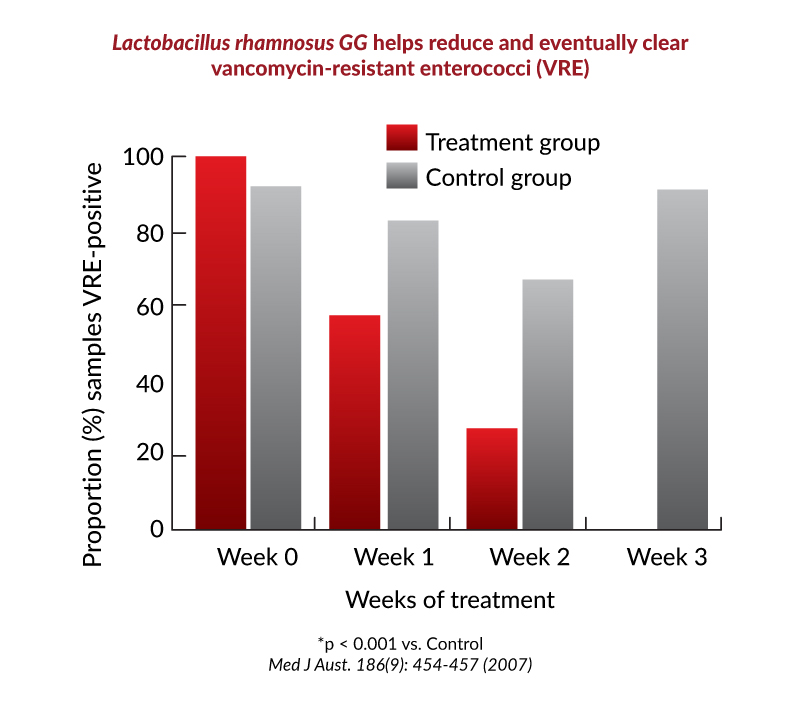
Some probiotics secrete antibiotic-like substances that kill harmful bacteria. In this clinical trial, renal patients with positive vancomycin-resistant enterococci (VRE) were orally administered 100 g yogurt containing Lactobacillus rhamnosus GG or control daily for 4 weeks. Their faecal samples were collected 3 times at about weekly intervals. All patients administered with Lactobacillus rhamnosus GG cleared VRE, while 11 out of 12 patients administered control remained VRE-positive. These findings suggest the beneficial effects of Lactobacillus rhamnosus GG as a probiotic therapy for gastrointestinal health of renal patients.
Irritable bowel syndrome (IBS) is a common gastrointestinal condition, which causes symptoms such as abdominal pain, bloating, diarrhea and constipation. In this clinical trial, patients with IBS were orally administered 12 x 109 Lactobacillus rhamnosus GG or control daily for 6 weeks. The patients were required to complete IBS severity score system (IBS-SSS) questionnaire on a weekly basis. Compared to control, there was a significant reduction in IBS-SSS from baseline to week 6 for Lactobacillus rhamnosus GG group, suggesting that Lactobacillus rhamnosus GG could be an effective therapy for patients with IBS.

Probiotics could promote a faster recovery of acute diarrhea by acting against the harmful bacteria that causes the diarrhea, as well as reduce inflammation and damage to the gut. In this clinical trial, children ages 1 month to 3 years with acute-onset diarrhea were administered oral rehydration solution plus live Lactobacillus rhamnosus GG (at least 1010 CFU per 250 ml) or placebo. The same rehydration solution was freely accessible to the patients until diarrhoea stopped. Compared to placebo, there was a significant reduction in the duration of diarrhea in the treated group. In addition, the hospital stays were significantly shorted in treated group than placebo. These findings suggest that Lactobacillus rhamnosus GG helps relieve acute diarrhea in children.

Support healthy immune system
Probiotics help restore the gut flora balance, which helps improve immunity. In this clinical trial, healthy volunteers were orally administered Lactobacillus rhamnosus GG for 5 weeks and the effect on cellular immune response to intestinal microorganisms was determined. Oral administration of Lactobacillus rhamnosus GG increased the activational response of T-lymphocytes (immune cells) towards intestinal microorganisms. In addition, the activational response of T lymphocytes on “non-self” intestinal flora was higher than by “self” intestinal flora. These findings suggest the beneficial effects on the cellular immune system of healthy volunteers (J Dairy Res.70(2):165-173 (2003)).
Reduce risk of caries development
Lactobacillus rhamnosus GG may be beneficial in maintaining optimal oral health. In this clinical trial, children aged 1 – 6 years old received the milk containing Lactobacillus rhamnosus GG for 5 days a week for 7 months and their oral health was recorded at baseline and at the end of the study. Results showed that Lactobacillus rhamnosus GG helped reduce the risk of caries significantly, especially in the 3- to 4-year-old children. These findings suggest that Lactobacillus rhamnosus GG holds the potential for supporting dental health in children.

Support respiratory health
Respiratory and gastrointestinal infections are common among the children. However, no effective approach is available in reducing the risk of these infections. In this clinical trial, 742 hospitalised children were orally administered Lactobacillus rhamnosus GG at a dose of 109 CFU in 100 ml of a fermented milk product or placebo, which is the same fermented milk product without Lactobacillus rhamnosus GG. Compared to placebo, there was a significantly reduction in the risk of respiratory tract infection and episodes of respiratory tract infections that lasted more than 3 days. In addition, the risk of gastrointestinal tract infections, episodes of gastrointestinal tract infections that lasted more than 2 days, vomiting episodes and diarrheal episodes are significantly lower in Lactobacillus rhamnosus GG group, compared to placebo. These findings suggest the beneficial effects of Lactobacillus rhamnosus GG in maintaining respiratory and gastrointestinal health in children.

Help reduce food allergy
Food allergy is a growing health concerns for children. IgE-mediated food allergies triggers an abnormal immune response when exposed to one or more specific foods, leading to uncomfortable symptoms. In this clinical trial, infants with suspected cow’s milk allergy (CMA) were orally administered Lactobacillus rhamnosus GG or placebo for 4 weeks. Compared to placebo, there was a greater reduction in Severity Scoring of Atopic Dermatitis (SCORAD) index in Lactobacillus rhamnosus GG group from baseline to 4 weeks after the treatment, suggesting the beneficial effects of Lactobacillus rhamnosus GG in mitigating eczema symptoms in children with food allergy.

Research-proven benefits of key ingredients
1) Relieves abdominal distension and constipation
Bloating (abdominal swelling) and abdominal distension (actual increase in girth) are common symptoms in IBS, especially in patients who experience constipation. In this study, patients (20-69 years old) consumed fermented milk containing 12.5 billion CFU of B.lactis daily for 4 weeks. Reductions in bloating and abdominal distention were observed. In addition, there were also improvements in overall symptom severity.

2) Reduces side effects of antibiotics
Antibiotics deplete natural gut flora and provide opportunities for spore-forming bacteria (such as Clostridium difficile) to infect and proliferate, this can result in diarrhoea, abdominal pain, nausea, fever and other discomforts. In this study, patients were given 10 billion CFU L. plantarum (a strain of probiotic), once daily during treatment with antibiotic. This resulted in significant reduction in the cases of C. difficile infection. For patients who suffered from C. difficile infection, administration of L. plantarum reduced the severity of the infection.

3) Increases iron absorption
Iron deficiency is common among young women globally. This deficiency can lead to anaemia which may cause fatigue and breathlessness. Adding
probiotics to one’s diet could help increase iron absorption.
In this clinical study, healthy women were administered a fruit drink (containing 5mg iron) without probiotics (Control) for 2 days, followed by the same fruit drink with added 1 billion (109) or 10 billion (1010) L. plantarum for another 2 days. Blood samples were taken 2 weeks later. Results showed the addition of L. plantarum remarkably increased absorption of iron from the fruit drink.

4) Improves skin conditions
In this clinical study, volunteers (41 – 59 years old) who have dry skin and wrinkles were administered 10 billlion CFU L. plantarum daily for 12 weeks. This resulted in significant increases in the skin water content in the face and hands. Significant reduction in wrinkle depth and improvement in skin gloss and elasticity were also observed, suggesting the anti-ageing benefits of L. plantarum on skin.

Supports healthy immune responses to environmental factors
Study 1:
Certain respiratory sensitivities triggered by environmental allergens involve inflammatory responses affecting the nose and airways. In this clinical study evaluating individuals with respiratory and seasonal sensitivity conditions, individuals were orally administered either placebo or Lactobacillus reuteri. Outcomes assessed included total symptom score (TSS), quality of life (QoL), and gut microbiota modulation in individuals experiencing seasonal respiratory sensitivities, as well as the respiratory symptom questionnaire score in individuals with airway sensitivity. The ACT questionnaire is used to evaluate how well a person’s asthma is controlled, with higher scores indicating better control.
In individuals experiencing seasonal respiratory sensitivities, L. reuteri supplementation led to numerical reductions in TSS, Rhinoconjunctivitis Quality of Life Questionnaire (RQLQ) scores (which is used to measure how much symptoms of respiratory sensitivities affect a person’s daily life), and three nasal symptom components of the TSS (nasal congestion, watery eyes, and rhinorrhea/runny nose), as well as sleep disturbance. A statistically significant improvement was observed in non-nose/eye symptoms. In individuals with airway sensitivity, ACT scores showed a numerical increase following L. reuteri administration. Additionally, significant microbial changes (ranging from class to genus level) and metabolic differences were identified in individuals experiencing seasonal respiratory sensitivities. Overall, these findings suggest that L. reuteri supplementation may support immune and microbiome-related physiological functions in individuals experiencing seasonal respiratory sensitivities.

Study 2:
In a preclinical model of allergen-induced airway inflammation in which exposure to allergens such as pollen, dust mites, or pet dander triggers immune-mediated inflammation of the airways, leading to symptoms like wheezing, coughing, chest tightness, and shortness of breath. In this study, a house dust mite (HDM)-induced allergen-induced airway inflammation murine model was administered Lactobacillus reuteri to investigate their effects on airway inflammation, immune responses, and gut microbiota. The L. reuteri strains increased Treg populations in the spleen, which help suppress overactive immune reactions, supported balanced inflammatory responses in airway tissues, and downregulated lung levels of histamine, IL-17A, IL-5, and IL-13, as well as lowered Th2-related immunoglobulin concentrations in serum (less allergy-prone). Analysis of the gut microbiota and metabolism showed that L. reuteri remodeled the gut microbial structure, particularly enhancing Bifidobacterium, which were associated with changes in airway inflammatory markers Overall, these findings suggest that L. reuteri may support balanced immune responses in airway tissues partly by modulating the gut microbiota and promoting Treg proliferation.

Helps maintain gastrointestinal comfort
Helicobacter pylori (H. pylori) infection can lead to chronic gastritis, peptic ulcers, and an increased risk of gastric cancer if left untreated. In this clinical trial, 78 patients with H. pylori received Lactobacillus helveticus at a dose of 2 g twice daily for one month. By the end of the study, the treatment group observed changes in gut microbiota composition and gastrointestinal comfort measures. Administration of L. helveticus also improved gastrointestinal symptom scores and modulated serum interleukin-8 levels, suggesting a beneficial effect on gut microbiota composition. These results indicate that L. helveticus may help support gastrointestinal comfort and support a healthy gastric environment in individuals with H. pylori colonisation.

Supports immune system function
The immune response and intestinal barrier function work together to protect the body by preventing harmful pathogens and toxins in the gut from entering the bloodstream while maintaining immune balance. In this study, growing male and female mice were orally administered either saline or Bifidobacterium infantis (1 × 10⁹ CFU per mouse per day; n = 8) starting at 1 week of age until 3, 4, or 5 weeks of age. B. infantis supplementation significantly increased colonic IFN-β levels and OAS (2’-5’ oligoadenylate synthetase) expression in both female and male mice at 3 weeks of age, suggesting enhanced innate immunity in the intestinal mucosa. In addition, B. infantis modulated gut microbiota composition and enhanced intestinal barrier function in mice at 3, 4, and 5 weeks of age. These findings suggest that B. infantis promotes intestinal barrier integrity and stimulates IFN-β production in growing mice (Food Science and Human Wellness 14 (2025)9250025).

Supports emotional health
Study 1: Sleep disturbances associated with stress can affect the ability to fall or stay asleep, leading to poor sleep quality and daytime fatigue. In this clinical trial, 40 participants experiencing sleep disturbances associated with stress were randomly assigned to two groups. One group received Bifidobacterium breve at a dose of 5 × 10⁹ CFU (n = 20), while the other group received a placebo (n = 20) for a period of four weeks. Compared with the placebo group, participants treated with B. breve showed a significant decrease in scores on the Pittsburgh Sleep Quality Index (PSQI) from baseline, indicating an improvement in sleep quality. In addition, administration of B. breve was associated with a greater reduction in stress marker concentrations. These findings suggest that B. breve may function as a promising psychobiotic strain for improving sleep quality (Nutrients. 2023 Nov 6;15(21):4700).
Study 2: Depressive symptoms can affect mood, sleep, appetite, and daily functioning and is characterized by persistent feelings of sadness, loss of interest or pleasure in activities, and changes in sleep, appetite, and energy that significantly affect daily functioning. In this clinical trial, 45 participants experiencing depressive symptoms were randomly assigned to receive either a placebo or Bifidobacterium breve (10¹⁰ CFU) daily for four weeks, while the placebo group received maltodextrin. Administration of B. breve produced a greater mood-supporting effect compared with the placebo. Patients’ emotional and gastrointestinal symptoms may be influenced by the serotonergic system, the brain’s serotonin signaling network that regulates mood, sleep, appetite, and several other physiological functions. Treatment with B. breve significantly reduced serum serotonin turnover to a greater extent than the placebo. This effect may be associated with probiotic-induced alterations in the gut microbiome and gut tryptophan metabolism. Tryptophan metabolism in the gut represents one of the major sources of serotonin production in the body. Overall, these findings suggest that B. breve is a promising psychobiotic candidate that may support emotional well-being and gut-brain axis balance and associated gastrointestinal disturbances (Brain Behav Immun. 2022 Feb:100:233-241).
Supports healthy bowel movement
A healthy bowel movement is an important indicator of digestive health, typically characterized by regularity, ease of passage, and well-formed stool. Isomaltodextrin, a water-soluble dietary fiber, can support bowel health by increasing stool bulk, improving consistency, and promoting regularity, making it helpful in supporting normal bowel regularity.
Study 1:
In this study, 9 adult women who experienced two to four defecations per week were orally administered 15 g of isomaltodextrin or 15 g of maltodextrin (control) once daily for four weeks, with a four-week washout period between interventions. Compared with the control, the isomaltodextrin group was associated with a significantly higher number of defecation days at week 4. In addition, participants in the isomaltodextrin group reported significant improvements in defecation-related outcomes based on a Visual Analog Scale questionnaire. Furthermore, fecal total short-chain fatty acid (SCFA) levels increased following isomaltodextrin intake, with a significantly greater change from baseline in the isomaltodextrin group compared with the control at week 2. These findings suggest that supplementation with isomaltodextrin may help improve bowel movements (Jpn Pharmacol Ther 2017; 45(2): 201-209).
Study 2:
In this study, 17 healthy subjects with a tendency toward constipation consumed a beverage containing 5 g of isomaltodextrin or a placebo beverage once daily for two weeks. The results showed that the number of defecation days and stool volume during the isomaltodextrin intake period were significantly higher than during the placebo period. These findings suggest that supplementation with isomaltodextrin may help improve bowel movements in healthy individuals with a tendency toward constipation (Jpn Pharmacol Ther 2017; 45(4): 609-616).
Helps maintain healthy post-meal blood glucose levels
Post-meal blood glucose levels reflect how the body responds to the sugar and carbohydrates consumed. Isomaltodextrin, a water-soluble dietary fiber, can help moderate post-meal blood glucose spikes by supporting normal carbohydrate metabolism and supporting more stable post-meal glucose levels.
Study 1:
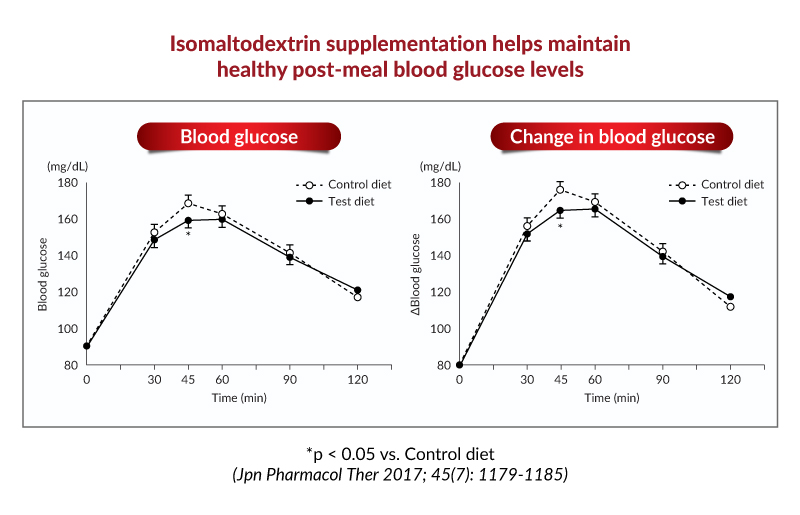
In this study, 45 healthy subjects consumed a solution containing 50 g of glucose with 2.5 g of isomaltodextrin (test diet) or without isomaltodextrin (control diet). Blood glucose concentrations were measured before ingestion and at 30, 45, 60, 90, and 120 minutes post-ingestion. Analysis of all subjects showed no significant differences in blood glucose levels between the control and test diets. However, in subjects with a tendency toward elevated postprandial blood glucose levels, the test diet showed a moderating effect, as evidenced by lower blood glucose levels and smaller increases in blood glucose at 45 minutes after ingestion. Furthermore, the maximum blood glucose concentration (Cmax) and the change in Cmax following ingestion of the test diet were significantly lower than those observed with the control diet. These findings suggest that supplementation with isomaltodextrin may help attenuate postprandial blood glucose levels, particularly in individuals with a tendency toward elevated postprandial glycemic responses.
Study 2:
In this study, 30 overnight-fasted subjects consumed bread containing 2.93 g of isomaltodextrin (IMD) or bread without IMD as part of breakfast. Blood glucose levels were measured from immediately before the meal to 120 minutes after intake. No significant differences in post-meal blood glucose levels over time were observed between the IMD and control conditions when all subjects were analyzed. However, a stratified analysis of subjects with a tendency toward elevated postprandial blood glucose levels demonstrated a significantly greater attenuating effect of IMD on blood glucose elevation compared with the control condition. These findings suggest that supplementation with IMD may help attenuate increases in blood glucose levels following meal intake.

Supports healthy post-meal blood triglyceride levels
Elevated post-meal blood triglyceride levels are linked to a higher risk of cardiovascular diseases, as they can contribute to plaque buildup in arteries. Isomaltodextrin, a water-soluble dietary fiber, may help reduce these post-meal triglyceride spikes by slowing fat absorption and supporting healthier lipid metabolism.
In this study, 40 healthy Japanese volunteers (15 men and 25 women) aged 20 to <70 years with fasting blood triglyceride (TG) levels of 30 to <150 mg/dL were orally administered a high-fat loading diet consisting of 200 g of corn potage soup, 20.0 g of butter and 13.9 g of lard (total fat 40 g). The IMD diet included the same high-fat loading diet supplemented with 2.5 g of isomaltodextrin (IMD), whereas the placebo diet consisted of the high-fat loading diet without IMD. IMD intake was associated with a smaller postprandial increase in blood triglycerides in subjects prone to elevated TG levels. In vitro emulsion studies indicated that IMD, which did not affect digestive enzyme activity or emulsion formation, stabilized micelles by enlarging particle size and increasing zeta potential. These findings suggest that IMD helps attenuate postprandial blood triglyceride elevations, possibly by delaying the access of micelle particles to the intestinal epithelium through modifications of micelle surface structure and physical properties.

Supports healthy skin
An unhealthy gut can disrupt nutrient absorption and inflammation balance, sometimes leading to poor skin moisture and dryness. Isomaltodextrin, a water-soluble dietary fiber, supports gut health by promoting regular digestion and a balanced microbiome, which may indirectly help maintain better skin hydration.
In this study, 39 healthy men and women with dry skin and a tendency toward constipation were orally administered 5g isomaltodextrin (IMD) or placebo once daily for 8 weeks. Continuous intake of IMD was associated with improvements in skin condition, as evaluated by a dermatologist, in all subjects. Among the 15 participants whose dry skin was likely related to intestinal environment disturbances, skin moisture on the dorsal foot was significantly higher after 8 weeks of IMD intake compared with placebo. Furthermore, serum phenol concentration, an indicator of intestinal environment composition, was significantly lower following IMD intake, suggesting a healthier gut environment. In addition, both the frequency of defecation and the number of defecation days—indicators of bowel movement—were significantly increased from 4 to 8 weeks compared with placebo. These findings suggest that IMD supplementation may help improve skin hydration and overall quality of life by promoting a healthier intestinal environment. This effect may be mediated by the continuous production of short-chain fatty acids in the intestine resulting from regular IMD intake.

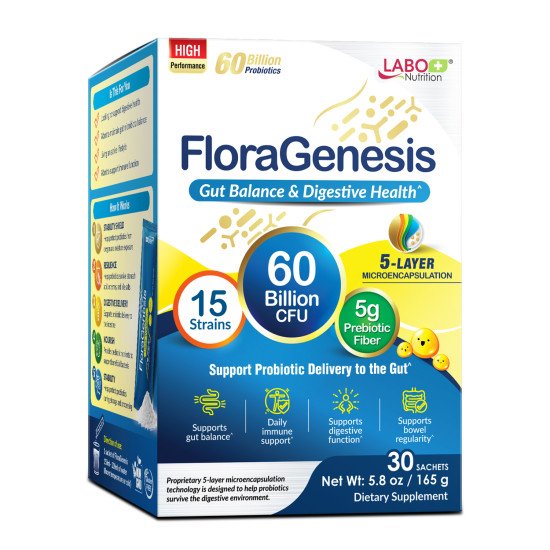
Proven benefits of the proprietary 5-layer microencapsulation:
1. Stability against moisture
This proprietary 5-layer microencapsulation increases the probiotic survival rate by 30 to 40% compared to non-encapsulated probiotics when exposed to 25oC, 65% relative humidity for 24 months.
Proprietary 5-layer microencapsulation improves long-term stability of probiotics against moisture at 25°C

2. Tolerance against gastric acid
This proprietary 5-layer microencapsulation increases the probiotic survival rate by 10 to 20% compared to non-encapsulated probiotics when exposed to simulated gastrointestinal fluid at pH 2.5 for 3 hours.
Proprietary 5-layer microencapsulation improves probiotic tolerance against gastric acid

3. Tolerance against bile salt
This proprietary 5-layer microencapsulation increases the probiotic survival rate by 15 to 20% compared to non-encapsulated probiotics when exposed to 0.3% bile-salt in simulated intestinal fluid for 2 hours.
Proprietary 5-layer microencapsulation improves probiotic tolerance against bile salts

4. Improved adhesion to intestinal lining
This proprietary 5-layer microencapsulation improves the adhesion of probiotics to HT-29 intestinal cells by 11 to 24 bacteria per cell compared tonon-encapsulated probiotics.
Proprietary 5-layer microencapsulation improves probiotic adhesion to the intestinal lining

5. Robust protection by proprietary 5-layer microencapsulation
Probiotics can only deliver optimal benefits if they reach the gut alive. Unfortunately, harsh gastric acid routinely destroys non-encapsulated strains, rendering them ineffective prior to reaching the intestinal tract.
To address this challenge, proprietary 5-layer microencapsulation technology is engineered to withstand stomach acid. These microscopic layers safeguard the delicate bacteria, ensuring they reach the intestines fully intact. Upon arrival, the protective layers dissolve to release a maximum dose of live, active bacteria precisely where the body requires them most.
5-layer microencapsulation protects probiotics and helps more survive.
Shields probiotics from harsh stomach acid, delivering more live probiotics to the gut.

Comparison:
This proprietary 5-layer microencapsulation supports delivery of viable probiotics to the intestine.