








This offer ends in:


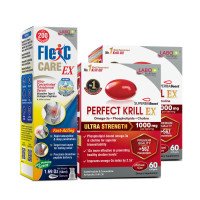


Research proven health benefits of Omega-3:
The following are extracted from published clinical studies, in-house studies, and/or case studies and are for reference purposes only. This does not imply that the product from Lifestream Group Pte Ltd is claimed to replicate the same results produced in the studies. This information is not a substitute for professional medical advice, diagnosis, or treatment. If you have any questions about a medical condition, please consult your physician or other qualified healthcare providers. Any statements or claims made have not been evaluated by the relevant regulatory bodies and are not intended to diagnose, treat, cure, or prevent any disease.
By using the Site, you agree that you have read and acknowledge the above and the Terms of Use for this Site.
Support healthy blood lipids
Having higher blood levels of omega-3 is correlated with lower mortality rate in those aged over 65 years. In a clinical trial, 31 healthy adults were orally administered 600 mg DHA per day, which was sourced from either algal oil or fish oil for 2 weeks. After 2-week supplementation, % DHA is significantly higher in both groups. Compared to fish oil, the % change in DHA is significantly increased in group administered with algal oil. This suggests that algal-oil supplements are a sufficient and viable source of DHA for both vegetarians and non-vegetarians (Journal of Functional Foods. 19B: 852-858 (2015)).
Supports healthy cardiovascular health
Cardiovascular disease, which is problems with the heart, blood vessels or both, affect people of all ages. In general, the risk cardiovascular disease increases with age. Omega-3 fatty acids, including DHA have been recommended by the American Heart Association to support cardiovascular function.
Study 1:
A meta-analysis suggests that algae oil supplementation decrease blood concentration of triglyceride and increase HDL cholesterol in persons without coronary heart disease. This suggests the beneficial effects of algae oil on cardiovascular health (J Nutr. 142(1): 99-104 (2012)).
Study 2:
In clinical trial, 38 healthy men and women aged between 40 to 65 years were administered with either 0.7 g DHA/day or placebo. Each treatment phase lasted for 3 months and separated with a 4-month washout period. It was found that the intake of DHA increased proportion of DHA in erythrocytes lipids by 58%, compared with placebo. In addition, the diastolic blood pressure decreased by 3.3 mm Hg and heart rate tended to be 2.1 beats/min lower after DHA treatment than after the placebo treatment. A lower heart rate would indicate a better health as the heart pumps more blood with each contraction. In brief, these findings suggest that a moderate increase in the daily intake of DHA to about 0.7 g DHA is beneficial to cardiovascular health.

Study 3:
In this clinical study, peritoneal dialysis patients were orally administered either 3g of omega-3s or placebo per day for 8 weeks and their blood pressure was monitored at baseline and at the end of 8 weeks. At the end of the study, the mean systolic blood pressure decreased in the omega-3s group but increased in the placebo group. For mean diastolic blood pressure, it decreased more in the omega-3s group, compared to the placebo group. These findings indicate that omega-3 fatty acids help reduce blood pressure significantly.

Support brain health
DHA, a dominant omega-3 fatty acid in the brain, is essential for optimal cognitive performance. The accumulation of DHA has been observed in areas of the brain involved in memory and attention such as the cerebral cortex and hippocampus. In animal studies, deficiency of DHA in the brain has been shown to critically affect the neuronal development and behavior, including changes in learning, memory. As DHA status is dependent on dietary intakes, individuals who consume diets low in omega-3 fatty acid may cognitively benefit from DHA supplementation.
In this clinical trial, 176 healthy adults aged from 18 to 45 years old with a low dietary intake of DHA were orally administered 1.16 g DHA or a placebo daily for 6 months. Their cognitive performance was assessed using a computerized cognitive test battery and z scores were calculated. Compared to placebo, DHA supplementation significantly improved reaction times of episodic and working memory, with a decrease in reaction time indicates an improvement. In addition, DHA supplementation improved episodic memory in 5women and reaction time of working memory in men, compared to placebo. In brief, young adults whose habitual diets were low in DHA could benefit from DHA supplementation in improving their memory and reaction time.

Beneficial to brain and eye development in fetus & babies
Essentially needed in pregnancy, DHA provides multiple benefits to the fetus, especially on the brain and eye development. The brain and eyes of fetus will develop rapidly during the last trimester of pregnancy, as well as during first few years after birth. Hence, it is important for the pregnant women and lactating mothers to consume sufficient amount of DHA. This is because the DHA is passed from the mother to the infant during pregnancy in the third trimester and through breast milk. Preterm babies will benefit with DHA supplementation since these babies will obtain lesser DHA from their preterm birth. It is suggested that pregnant woman should take at least 200 milligrams (mg) of DHA before, during, and after pregnancy, as lack of DHA may compromise fetal development.
In this clinical trial, 14 pregnant women were administered with 300mg DHA-containing cereal bars from week 24 of gestation until delivery while another 15 pregnant women were treated with placebo bars. The infants were then administered with Infant Planning Test at the age of 9 months old. The procedure was scored on the basis of the infant's performance on each step and on the entire problem (intention score and total intentional solutions) in the problem-solving trial which included a support step and a search step. The scores were generated on the basis of the cumulative performance of the infant on 5 trials.

Infants of mothers who consumed a DHA-containing food during pregnancy showed significant improvements in performance of problem-solving tasks: total intention score (P = 0.017), total intentional solutions (P = 0.011), and number of intentional solutionson both cloth (P = 0.008) and cover (P = 0.004) steps. These findings suggest the beneficial effects of DHA supplementation during pregnancy on problem-solving performance of infants.


Support healthy pregnancy
Babies delivered before week 34th in the pregnancy is considered as early preterm babies. Preterm babies are very prone to having various risks of health issues. DHA may help to reduce the preterm birth by decreasing the production of prostaglandin E2 and prostaglandin F2α. These prostaglandins could promote uterus inflammation, leading to early preterm labor.
In this clinical trial, 2399 women in their gestation of less than 21 weeks were randomly divided into the DHA group and placebo group. The DHA group was administered with three 500 mg/day capsules containing DHA-rich fish oil concentrate while the placebo group was given three 500 mg/day vegetable oil capsules without DHA. The subjects had to take the assigned capsules daily until the birth of their children. This study found fewer preterm babies of less than 34 weeks of gestation in the DHA group (p = 0.03), suggesting the beneficial effects of DHA supplementation in supporting healthy pregnancy.

Support emotional health
Emotional health affects approximately 5% of adults globally and is associated with continuous low mood, sadness, or lack of motivation. Among the three types of omega-3 (ALA, EPA, and DHA), EPA appears to be the most effective in supporting emotional and mood balance. In this study, 4150 postmenopausal women were divided into 5 groups according to their dietary omega-3 fatty acid intake, which are 0.3, 0.6, 0.9, 1.4 and 2.7 g/day. The group with the highest omega-3 intake showed a significantly better emotional/mood balance compared to the group with the lowest intake. Additionally, the study observed a dose-dependent relationship between higher omega-3 intake and improved emotional/mood balance. These findings suggest that omega-3 plays a role in supporting emotional health.

Research-proven health benefits of vitamin D:
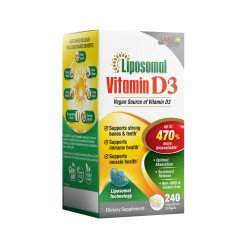
Greater absorption with Liposomal Vitamin D
Liposomes are a vesicular-form drug delivery system composed of phospholipid bilayer. Liposomes are used to encapsulate nutrients, protecting them against harsh gastric acid in the stomach, while enhancing their absorption and bioavailability. High bioavailability is important for nutrients to reach their maximal efficacy and health outcomes.
In this clinical trial, healthy volunteers aged 24 to 65 years old were orally administered 10,000 IU vitamin D3 either in the liposomal or oily formulation for 3 weeks and vitamin D3 absorption was evaluated by quantifying concentration of 25(OH)D3, which is the major circulating form of vitamin D3 in the blood before and 0.5, 1, 1.5, 2, 3, 4 and 5 hours following the intake of vitamin D3.
To determine the increase of 25(OH)D3 after supplementation, initial quantity of 25(OH)D3 was subtracted from its values for samples collected at later time points and normalized to the initial value [(A(t) − A0)/A0]. The tendency of 25(OH)D3 change was approximated with the linear function using the least square fitting. The average values of slopes were equal to 7.03 × 10⁻⁵ 1/min ± 3.02 × 10⁻⁴ 1/min and 4.01 × 10⁻⁴ 1/min ± 7.12 × 10⁻⁴ 1/min for oily and liposome formulations, respectively. This shows that the liposome formulation delivers vitamin D3 within hours of supplement, whole oily formulation does not produce any effect within the same time intervals. This effect is particularly prominent for those with severe vitamin D3 deficiency. These findings suggest that liposomal encapsulation technology helps enhance bioavailability of vitamin D3.

Increase calcium absorption
Optimal vitamin D levels are essential to promote calcium absorption in the gut and maintain sufficient calcium and phosphate concentration, supporting normal bone mineralisation and healthy bones.
In this clinical trial, 12 previously untreated patients with postmenopausal osteoporosis were orally administered 0.5 μg/day 1,25-dihydroxyvitamin D3 (active vitamin D metabolite) for 6 to 8 months and their effect on bone and calcium metabolism were determined. Administration of 1,25-dihydroxyvitamin D3 improved calcium absorption, calcium balance and bone formation rate exceeded bone resorption rate. Bone loss would occur if bone resorption rate is greater than bone formation rate. These findings suggest that 1,25-dihydroxyvitamin D3 helps normalise calcium absorption, calcium balance, and support bone health.


Support muscle health
Vitamin D plays a vital role for optimal functioning of muscles. Vitamin D supplementation has been shown to increase muscle strength, especially for those with vitamin D deficiency.
In this clinical trial, 60 male volunteers aged 20 to 24 years old with suboptimal plasma vitamin D (25(OH)D) plasma levels were given vitamin D supplementation for 3 months. These participants were subjected to 2 rounds of eccentric exercise tests (muscle contractions that lengthen a muscle) on a declined treadmill before the supplementation (Test I) and after 3 months of administration (Test II). After 3-month vitamin D supplementation, higher concentrations of blood vitamin D (25(OH)D) were detected compared to baseline. Besides, there was a significant decrease (p = 0.047) in Interleukin-1β (IL-1β) (a potent pro-inflammatory cytokine) levels 1 hour before exercise in Test II, compared to Test I. In addition, lower myoglobin (Mb) concentrations were observed 1 hour after exercise. Higher Mb concentration may indicate damaged muscle tissues. These findings suggest that vitamin D helps reduce muscle cell damaged induced by eccentric exercise.
Support oral health
Severe vitamin D deficiency in children could affect tooth mineralisation, resulting in dentin and enamel defects, which would increase the risk of onset and progression of dental caries.
In this clinical trial, children and adolescents with juvenile idiopathic arthritis (JIA) aged 4 to 16 years with median age of 12.6 years were involved. The mean serum vitamin D level was 61.4 nmol/L and 29.6% of participants had insufficient levels. Vitamin D insufficiency was associated with dental caries and gingival bleeding (bleeding gums). These findings suggest a correlation between vitamin D status and oral health (BMC Oral Health. 22(1): 333 (2022)).
Support cardiovascular health
Studies have suggested the association between low vitamin D levels in the blood and increased risks of cardiovascular conditions, including heart disease, stroke and hypertension and diabetes. Hence, vitamin D holds the potential in protecting against cardiovascular disease (CVD) and type 2 diabetes.
In this clinical trial, participants aged 60 to 84 years old were orally administered 60,000 IU/month vitamin D3 or placebo for up to 5 years. Results showed that 6.6% participants in placebo group and 6.0% participants in vitamin D group experienced a major cardiovascular event. Compared to placebo group, the rate of major cardiovascular events was lower in the vitamin D group, especially among those taking cardiovascular drugs at baseline. In addition, the rate of myocardial infarction (heart attack) and coronary revascularisation (a procedure to improve blood flow to the heart) was lower in the vitamin D group. These findings suggest the potential of vitamin D supplementation in reducing the incidence of major cardiovascular events.

Support healthy blood pressure
Persistent blood pressure would impose extra strain on the blood vessels, heart, and other organs, increasing the risk of life-threatening health conditions such as heart disease. Some studies associated low vitamin D level with an increased risk of high blood pressure and diabetes.
In this clinical trial, type 2 diabetes patients were administered vitamin D (cholecalciferol) supplementation at 50,000 units weekly or control for 12 weeks and their systolic and diastolic blood pressure (BP) was determined before and after intervention. Before intervention, the means of systolic BP and diastolic BP were 121 and 80.5 mmHg, respectively. After intervention, the systolic and diastolic BP were 110 and 76.3 mmHg, respectively. Compared to control, systolic and diastolic blood pressure levels were significantly lower (p < 0.01) in vitamin D group after intervention. These findings suggest that vitamin D supplementation may help improve high blood pressure in type 2 diabetic patients.


Support mental health
Emotional health challenges are associated with feelings such as sadness, irritability, and a lack of interest in daily activities. Many people with low vitamin D levels may experience difficulties in maintaining healthy emotional and mood balance.
In this clinical trial, older adults over 60 years with challenges related to emotional health were supplemented with vitamin D3 or given a placebo weekly for 8 weeks. Compared to placebo group, there was remarkable increase in 25(OH)D3 concentration in vitamin D group. Besides, the depression score of GDS-15 (Geriatric Depression Scale-15) questionnaire significantly decreased (p = 0.0001) in vitamin D group, while there was a non-significant increase in depression score in placebo group. These findings suggest that vitamin D supplementation may play a role in supporting emotional and mood balance in older adults.


Boost energy levels
Fatigue, which is a feeling of constant tiredness, lack of energy or burnout, can result in slowed reaction time, reduced vigilance and impaired decision making and judgement. Vitamin D deficiency has been associated with fatigue and other unspecified symptoms, such as headache, depression and poor cognitive performance.
In this clinical trial, adults who were fatigue and had low vitamin D levels were administered vitamin D for 5 weeks. The prevalence of vitamin D was 77.2% in adults with fatigue. Fatigue assessment questionnaires showed that fatigue symptom scores improved significantly (p < 0.001) after normalization of vitamin D levels. These findings suggest vitamin D supplementation could significantly improve the severity of fatigue symptoms.