




-250x250.jpg "UTRestore")





This offer ends in:




Research Proven Health Benefits:
The following are extracted from published clinical studies, in-house studies, and/or case studies and are for reference purposes only. This does not imply that the product from Lifestream Group Pte Ltd is claimed to replicate the same results produced in the studies. This information is not a substitute for professional medical advice, diagnosis, or treatment. If you have any questions about a medical condition, please consult your physician or other qualified healthcare providers. Any statements or claims made have not been evaluated by the relevant regulatory bodies and are not intended to diagnose, treat, cure, or prevent any disease.
By using the Site, you agree that you have read and acknowledge the above and the Terms of Use for this Site.
Greater absorption with Liposomal Vitamin D
Liposomes are a vesicular-form drug delivery system composed of phospholipid bilayer. Liposomes are used to encapsulate nutrients, protecting them against harsh gastric acid in the stomach, while enhancing their absorption and bioavailability. High
bioavailability is important for nutrients to reach their maximal efficacy and health outcomes.
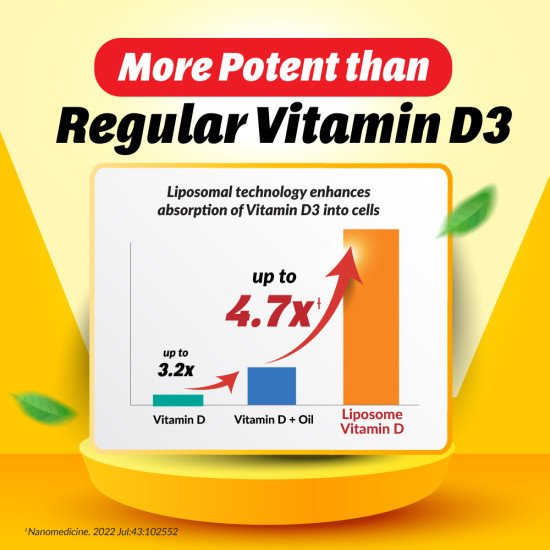
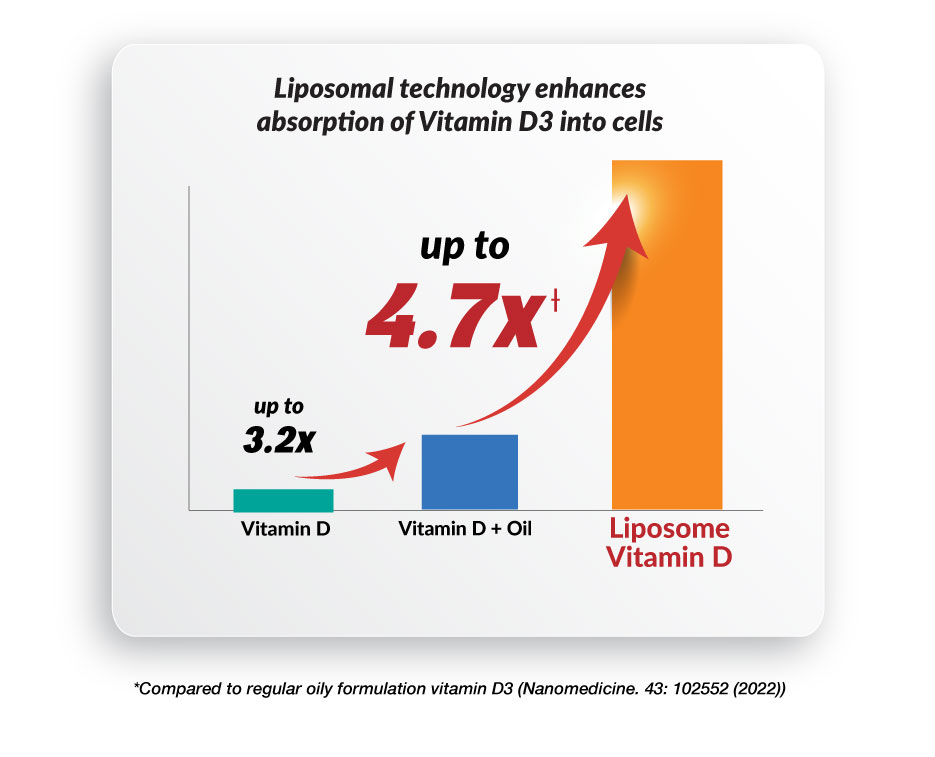
In this clinical study, healthy volunteers aged 24 to 65 years old were orally administered 10,000 IU vitamin D3 either in the liposomal or oily formulation for 3 weeks and vitamin D3 absorption was evaluated by quantifying concentration of 25(OH)D3, which is the major circulating form of vitamin D3 in the blood before and 0.5, 1, 1.5, 2, 3, 4 and 5 hours following the intake of vitamin D3.
To determine the increase of 25(OH)D3 after supplementation, initial quantity of 25(OH)D3 was subtracted from its values for samples collected at later time points and normalized to the initial value [(A(t) − A0)/A0]. The tendency of 25(OH)D3 change was approximated with the linear function using the least square fitting. The average values of slopes were equal to 7.03 × 10⁻⁵ 1/min ± 3.02 × 10⁻⁴ 1/min and 4.01 × 10⁻⁴ 1/min ± 7.12 × 10⁻⁴ 1/min for oily and liposome formulations, respectively.
This shows that the liposome formulation delivers vitamin D3 within hours of supplement, whole oily formulation does not produce any effect within the same time intervals. This effect is particularly prominent for those with severe vitamin D3 deficiency. These findings suggest that liposomal encapsulation technology helps enhance bioavailability of vitamin D3.

Increase calcium absorption
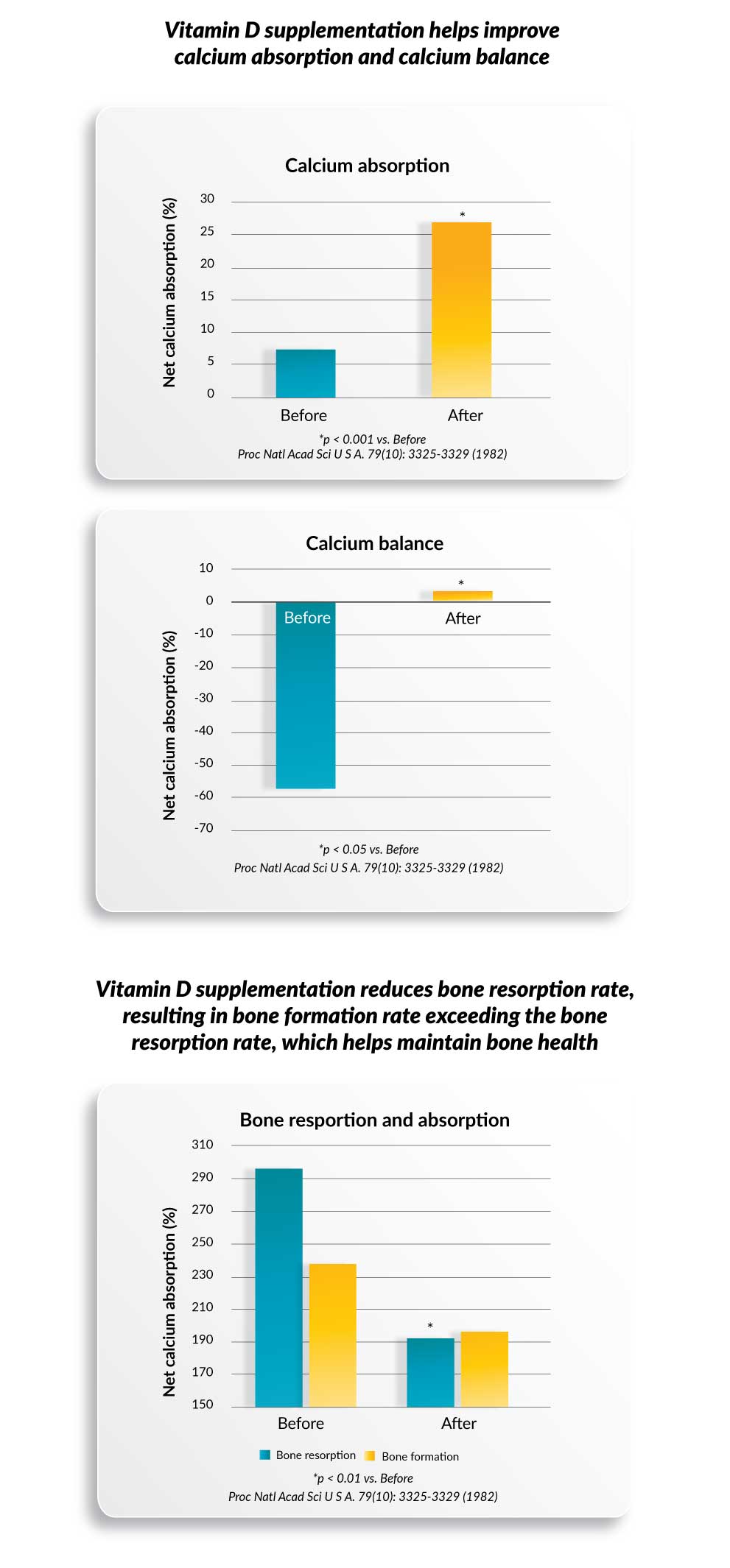
Optimal vitamin D levels are essential to promote calcium absorption in the gut and maintain sufficient calcium and phosphate concentration, supporting normal bone mineralisation and healthy bones.
In this clinical study, 12 previously untreated patients with postmenopausal osteoporosis were orally administered 0.5 μg/day 1,25-dihydroxyvitamin D3 (active vitamin D metabolite) for 6 to 8 months and their effect on bone and calcium metabolism were determined. Administration of 1,25-dihydroxyvitamin D3 improved calcium absorption, calcium balance and bone formation rate exceeded bone resorption rate. Bone loss would occur if bone resorption rate is greater than bone formation rate. These findings suggest that 1,25- dihydroxyvitamin D3 helps normalise calcium absorption, calcium balance, and support bone health.
Support muscle health
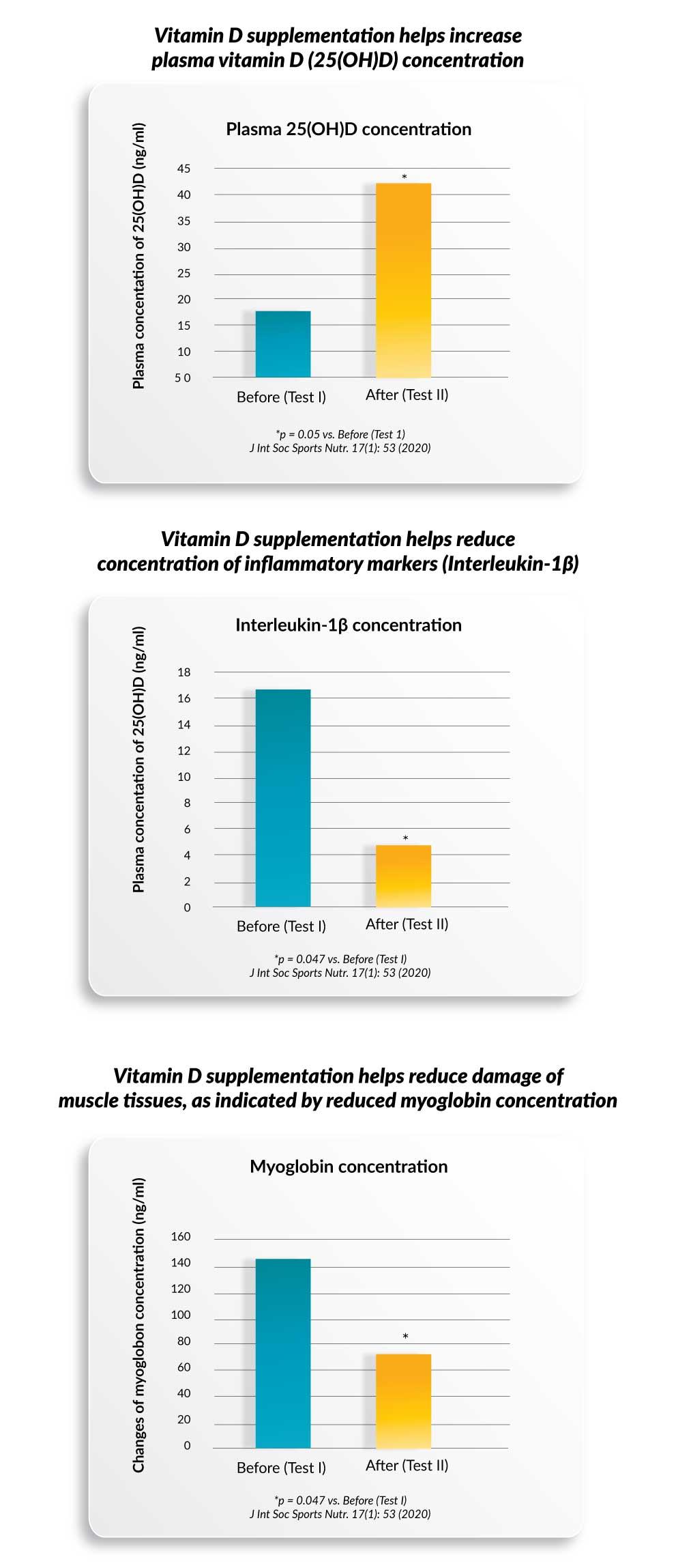
Vitamin D plays a vital role for optimal functioning of muscles. Vitamin D supplementation has been shown to increase muscle strength, especially for those with vitamin D deficiency.
In this clinical trial, 60 male volunteers aged 20 to 24 years old with suboptimal plasma vitamin D (25(OH)D) plasma levels were given vitamin D supplementation for 3 months. These participants were subjected to 2 rounds of eccentric exercise tests (muscle contractions that lengthen a muscle) on a declined treadmill before the supplementation (Test I) and after 3 months of administration (Test II). After a 3-month vitamin D supplementation, higher concentrations of blood vitamin D(25(OH)D) were detected compared to baseline. Besides, there was a significant decrease (p = 0.047) in Interleukin- 1β(IL-1β) (a potent pro-inflammatory cytokine) levels 1 hour before exercise in Test II, compared to Test I. In addition, lower myoglobin (Mb) concentrations were observed 1 hour after exercise. Higher Mb concentration may indicate damaged muscle tissues. These findings suggest that vitamin D helps reduce muscle cell damaged induced by eccentric exercise.
Support healthy inflammatory response
Ulcerative colitis (UC) is an inflammatory bowel disease (IBD) that causes chronic recurrent inflammation of the colon. This condition may be related to vitamin D deficiency and vitamin supplementation may help ameliorate the intestinal inflammation.
In this clinical trial, 90 mild-to-moderate UC patients were administered a single muscular injection of 7.5 mg vitamin D3 or 1 mL normal saline as placebo. Their serum levels of inflammatory-related cytokines IL-12p70, IFN-γ, and TNF-α)were measured 3 months later. Results showed a significant increase in vitamin D only in the vitamin D group. Compared to placebo, vitamin D significantly decreased the serum TNF-α, IFN-γ, and IL12p70 levels, which are inflammatory-related cytokines. These findings suggest the potential of vitamin D in modulating inflammatory response (APMIS. 127(10): 681-687 (2019)).
Support oral health
Severe vitamin D deficiency in children could affect tooth mineralisation, resulting in dentin and enamel defects, which would increase the risk of onset and progression of dental caries.
In this clinical trial, children and adolescents with juvenile idiopathic arthritis (JIA) aged 4 to 16 years with median age of 12.6 years were involved. The mean serum vitamin D level was 61.4 nmol/L and 29.6% of participants had insufficient levels. Vitamin D insufficiency was associated with dental caries and gingival bleeding (bleeding gums). These findings suggest a correlation between vitamin D status and oral health (BMC Oral Health. 22(1): 333 (2022)).
Support cardiovascular health
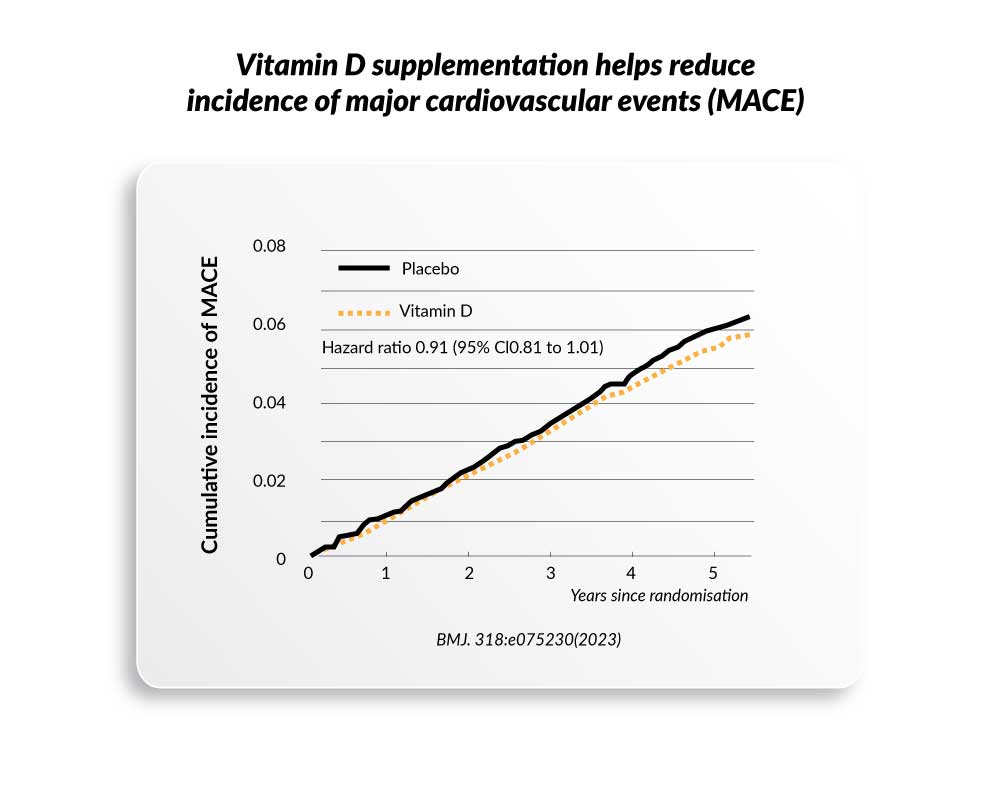
Studies have suggested the association between low vitamin D levels in the blood and increased risks of cardiovascular conditions, including heart disease, stroke and hypertension and diabetes. Hence, vitamin D holds the potential in protecting against cardiovascular disease (CVD) and type 2 diabetes.
In this clinical trial, participants aged 60 to 84 years old were orally administered 60,000 IU/month vitamin D3 or placebo for up to 5 years. Results showed that 6.6% participants in placebo group and 6.0% participants in vitamin D group experienced a major cardiovascular event. Compared to placebo group, the rate of major cardiovascular events was lower in the vitamin D group, especially among those taking cardiovascular drugs at baseline. In addition, the rate of myocardial infarction (heart attack) and coronary revascularisation (a procedure to improve blood flow to the heart) was lower in the vitamin D group. These findings suggest the potential of vitamin D supplementation in reducing the incidence of major cardiovascular events.
Support healthy blood pressure
Persistent blood pressure would impose extra strain on the blood vessels, heart, and other organs, increasing the risk of life-threatening health conditions such as heart disease. Some studies associated low vitamin D level with an increased risk of high blood pressure and diabetes.
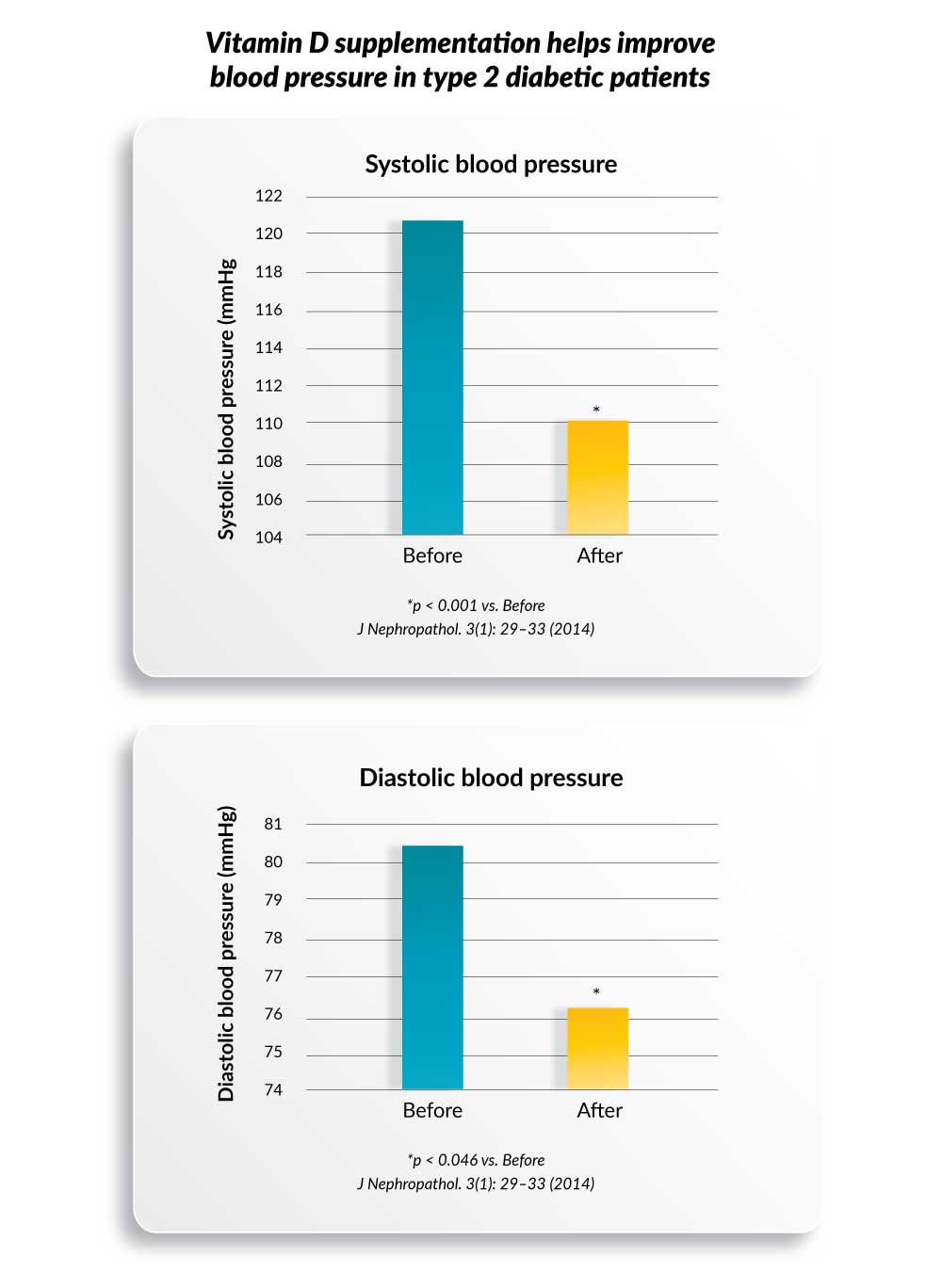
In this clinical trial, type 2 diabetes patients were administered vitamin D (cholecalciferol) supplementation at 50,000 units weekly or control for 12 weeks and their systolic and diastolic blood pressure (BP) was determined before and after intervention. Before intervention, the means of systolic BP and diastolic BP were 121 and 80.5 mmHg, respectively. After intervention, the systolic and diastolic BP were 110 and 76.3 mmHg, respectively. Compared to control, systolic and diastolic blood pressure levels were significantly lower (p < 0.01) in vitamin D group after intervention. These findings suggest that vitamin D supplementation may help improve high blood pressure in type 2 diabetic patients.
Support mental health
Depression is a common mental disorder that involves a depressed mood, such as feeling sad, irritable and empty, or a loss of pleasure or interest in activities. Many people with depression have low blood levels of vitamin D. Hence, vitamin D
deficiency may be associated with depression.
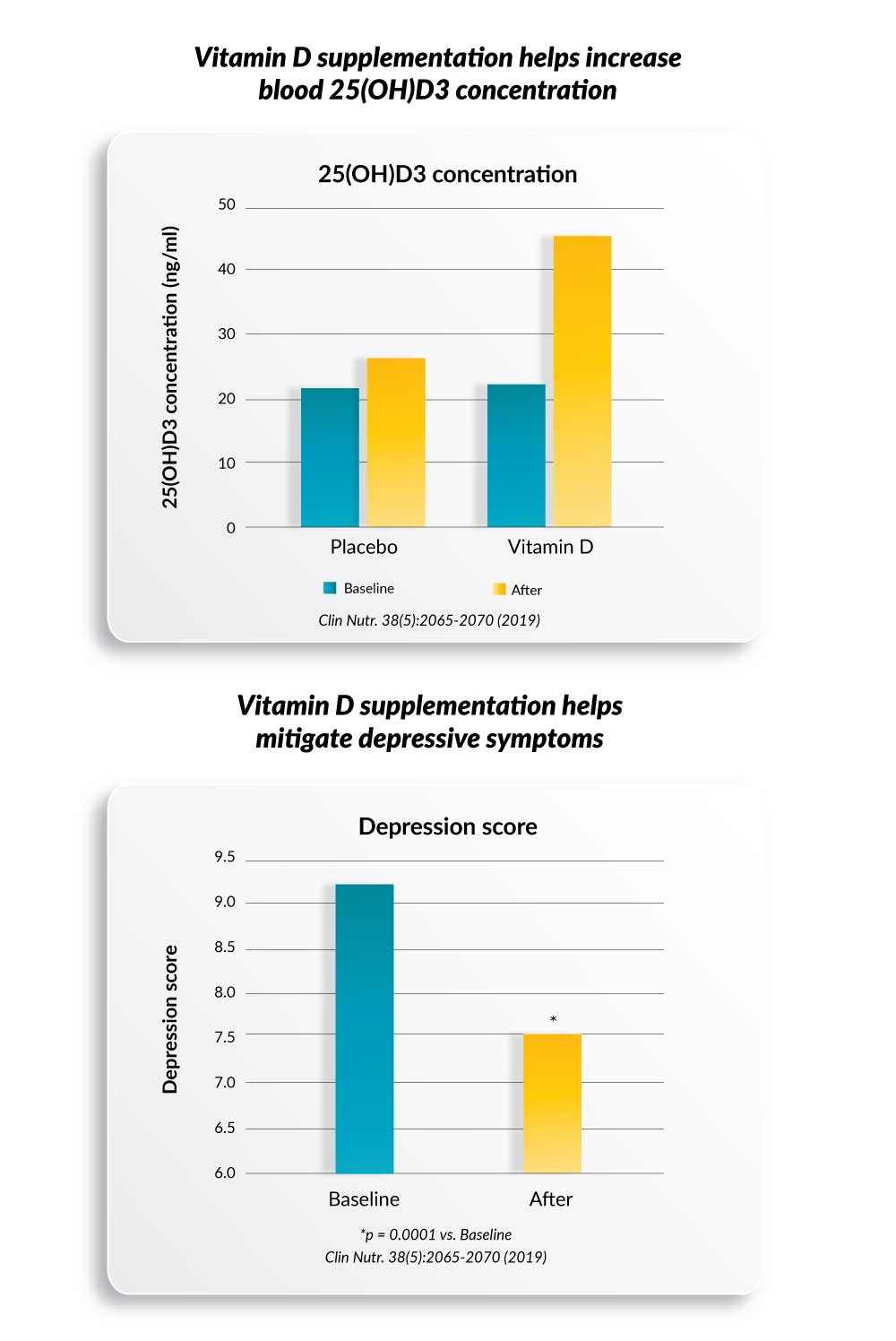
In this clinical trial, older adults aged over 60 years with moderate to severe depression were orally administered 50,000 IU vitamin D3 weekly or placebo for 8 weeks. Compared to placebo group, there was remarkable increase in 25(OH)D3 concentration in vitamin D group. Besides, the depression score of GDS-15 (Geriatric Depression Scale-15) questionnaire significantly decreased (p = 0.0001) in vitamin D group, while there was a non- significant increase in depression score in placebo group. These findings suggest that vitamin D supplementation could help improve depression score in older adults.
Boost energy levels
Fatigue, which is a feeling of constant tiredness, lack of energy or burnout, can result in slowed reaction time, reduced vigilance and impaired decision making and judgement. Vitamin D deficiency has been associated with fatigue and other unspecified symptoms, such as headache, depression and poor cognitive performance.
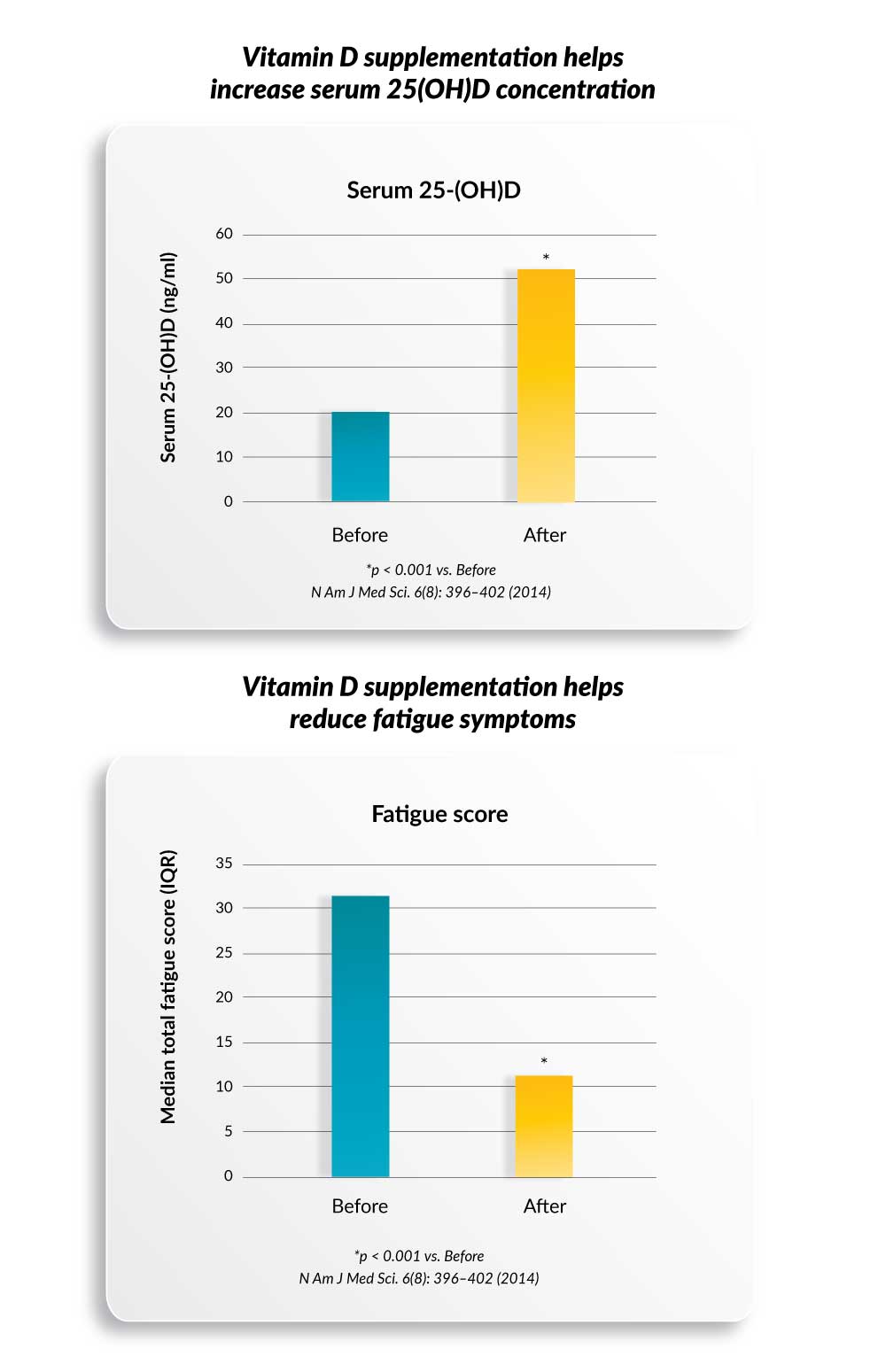
In this clinical trial, adults who were fatigue and had low vitamin D levels were administered vitamin D for 5 weeks. The prevalence of vitamin D was 77.2% in adults with fatigue. Fatigue assessment questionnaires showed that fatigue symptom scores improved significantly (p < 0.001) after normalization of vitamin D levels. These findings suggest vitamin D supplementation could significantly improve the severity of fatigue symptoms.
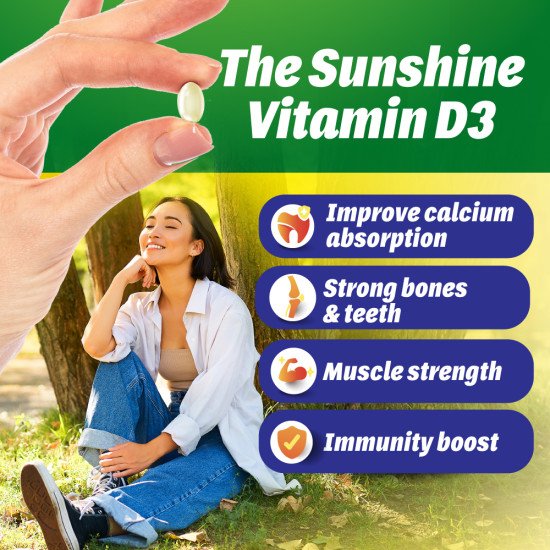
Vitamin D is naturally produced in the body through exposure to sunlight and provides comprehensive health benefits. That includes strengthening bones, boosting immunity, building muscle strength and more.
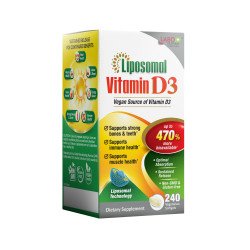
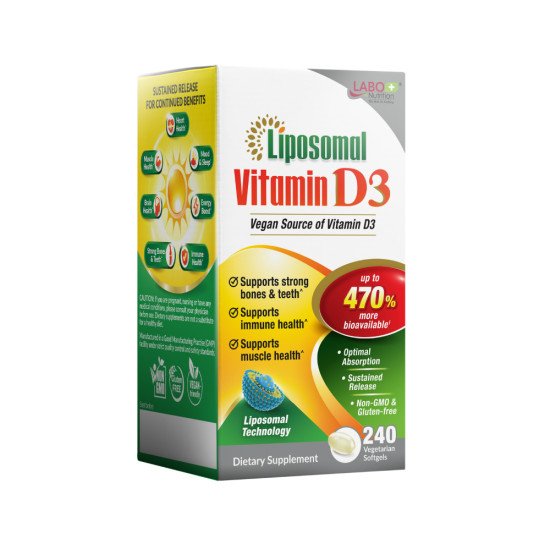
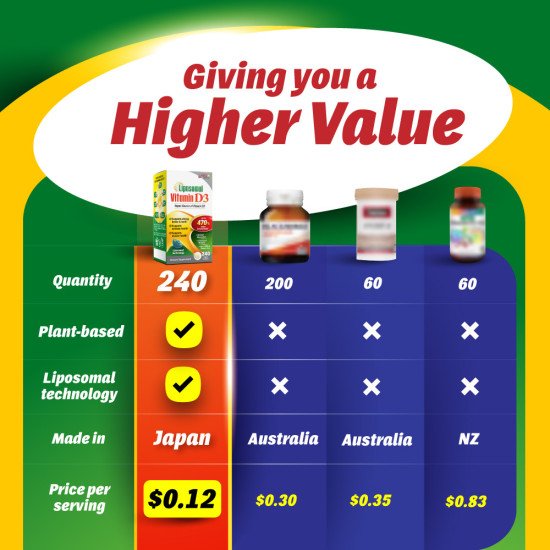
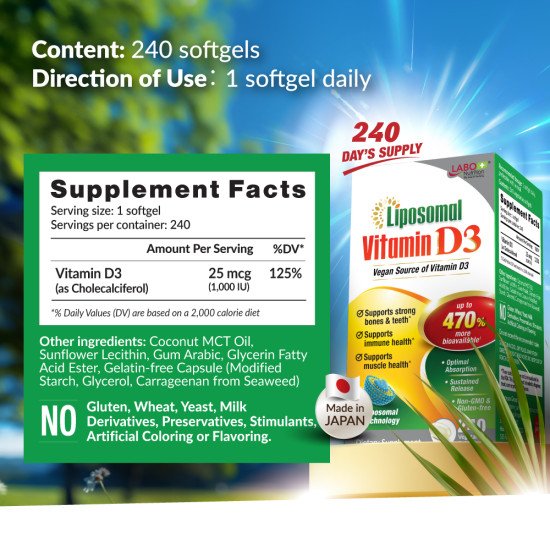
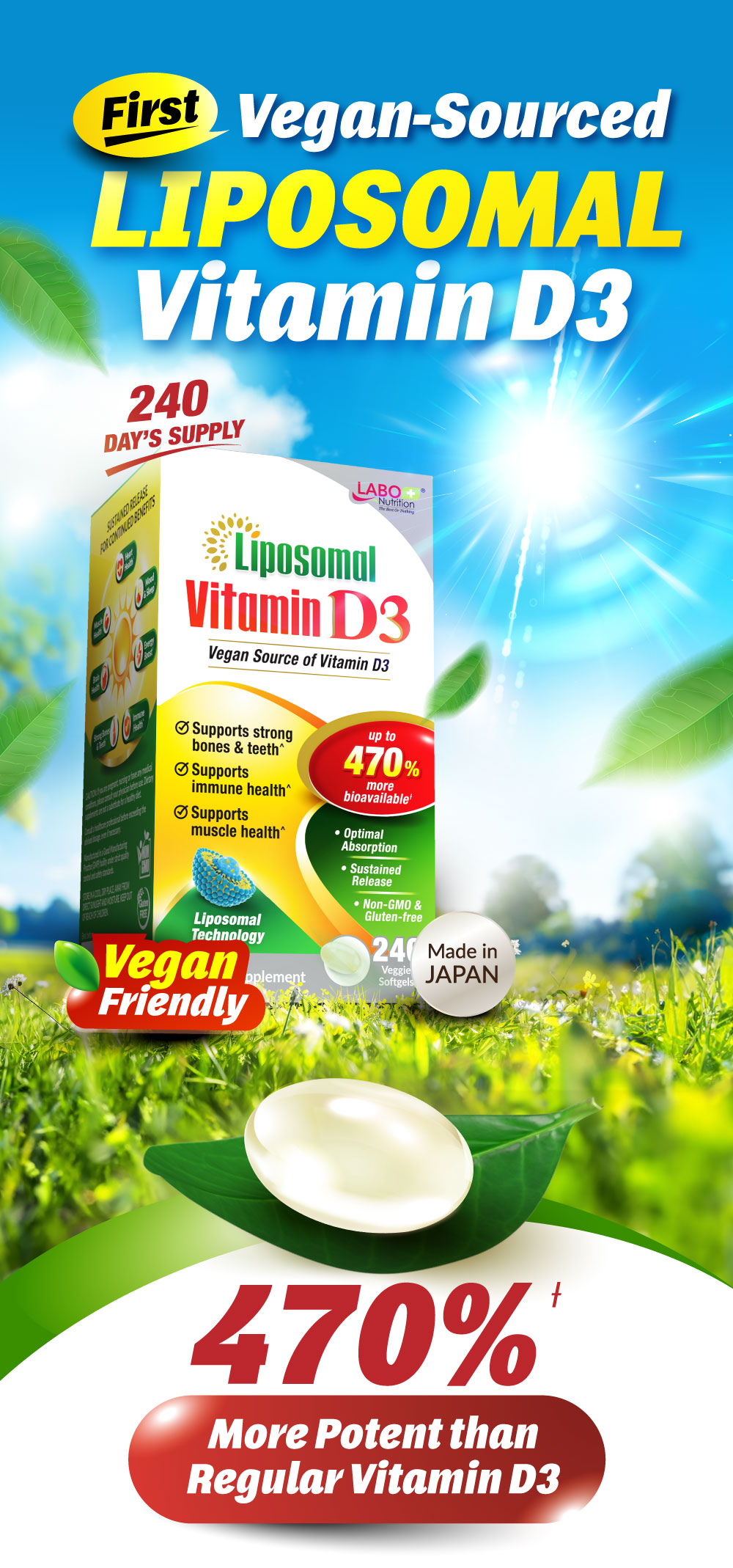
470% more potent than regular vitamin D3 supplements, Liposomal Vitamin D3 protects the vitamin D from harsh gastric acid and delivers it directly to the cells with no side effects. With 240 softgels per box, it is the most cost effective vitamin D supplement in the market.
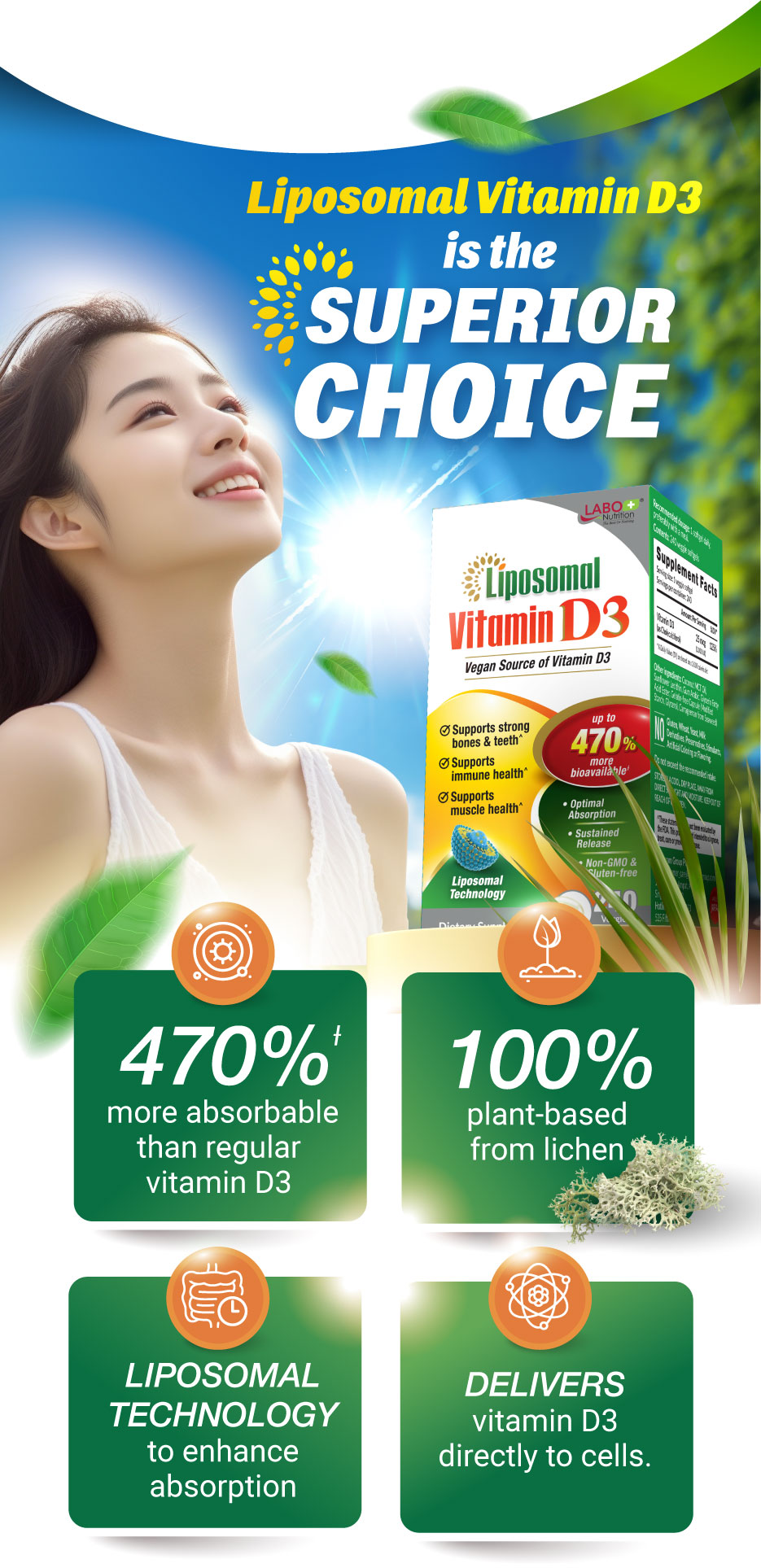
With regular vitamin D, the body does not absorb the full dosage due to breakdown before absorption. To compensate this loss, some may increase the dosage. However, excessive vitamin D intake can result in digestive discomforts like gas, bloating, diarrhoea, constipation, upset stomach and other intestinal issues.

Fat-soluble vitamin D3 are encapsulated in liposomes which are then transported to parts in the body where they are absorbed most effectively. These liposomes protect the vitamin D3 against oxidation and degradation as it moves through the body, even the harsh conditions of the gastrointestinal tract.
With improved absorbability bring greater health boosting benefits. Liposomal Vitamin D3 is better absorbed into the body than tablet, capsule or gummy forms.
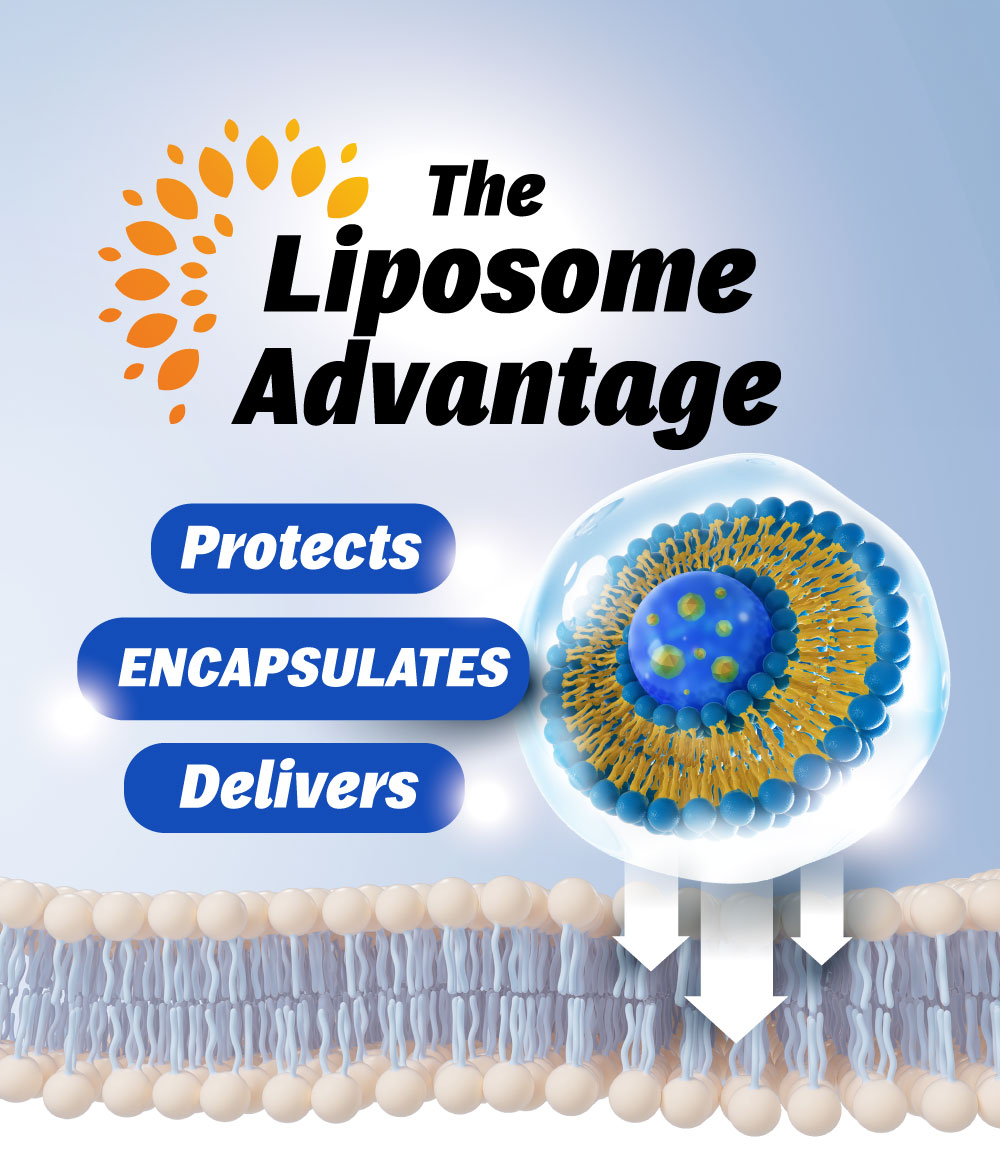
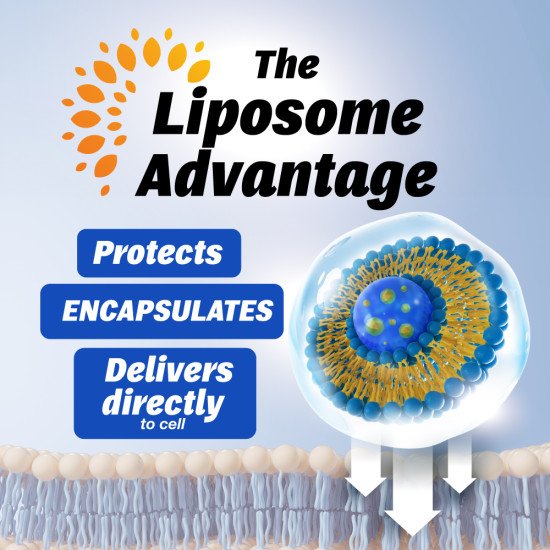
1. Protects
Liposomes protect the nutrients from being broken down by digestive juice, allowing the nutrients to reach the intestines intact and absorbed into the bloodstream.
2. Encapsulates
Liposomes have a spherical-shaped hollow structure which encapsulates the vitamin D nutrient.
3. Delivers
Due to its similar structure to the cell membrane, the liposome fuses with the cell membrane, releasing the
encapsulated vitamin D into the cell.
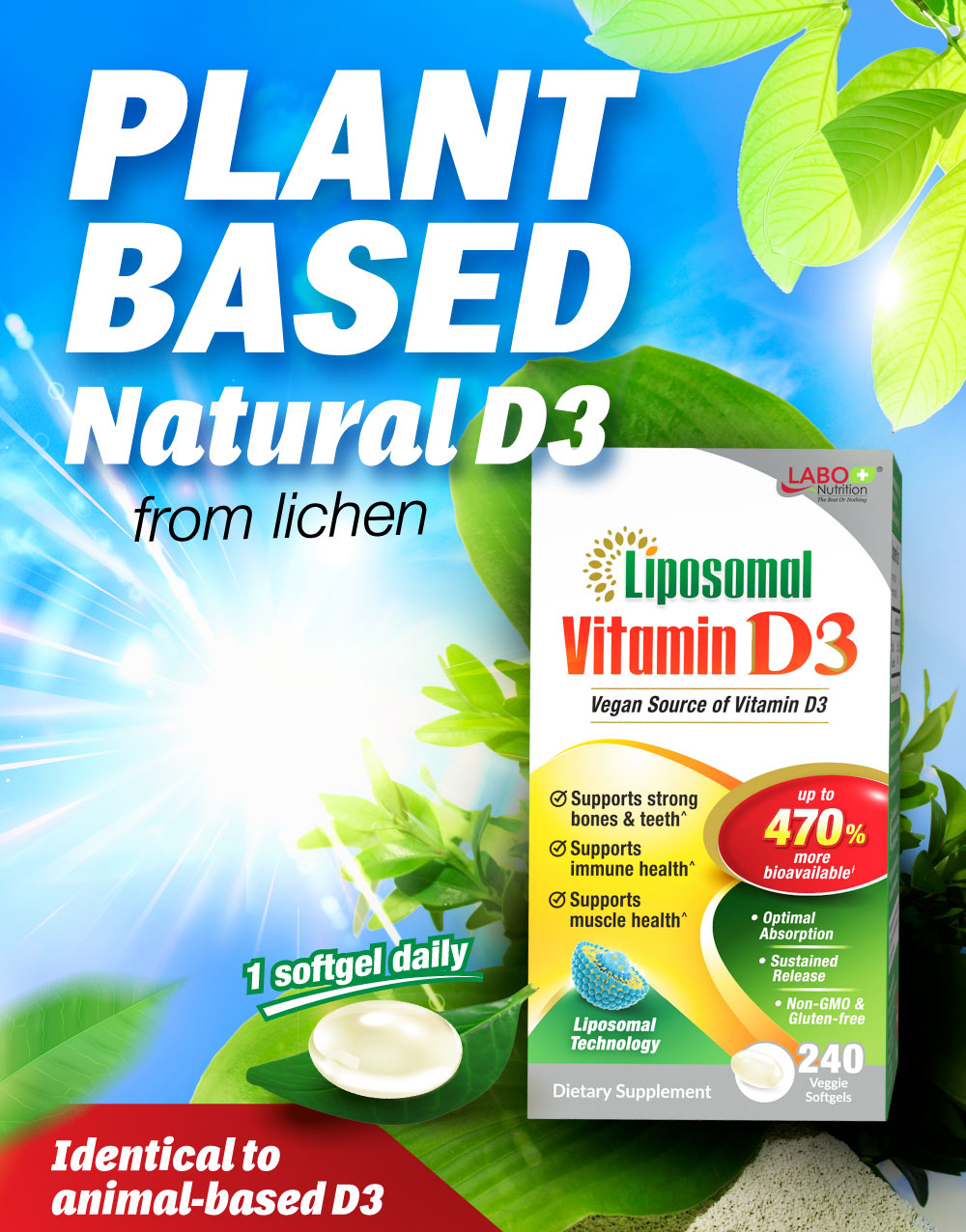
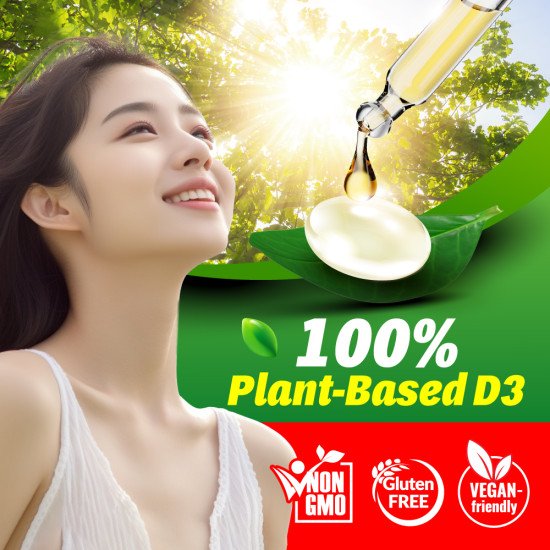
Liposomal Vitamin D3 is made from lichen and is one of the first completely vegan source of natural vitamin D3 available on the market. Lichen can easily grow in large quantities, and is more sustainable as well.
Most vitamin D3 from animal sources comes from lanolin, an oil secretion found on sheep's wool. However, there is a potential risk of contamination from sheep dip or pesticides.
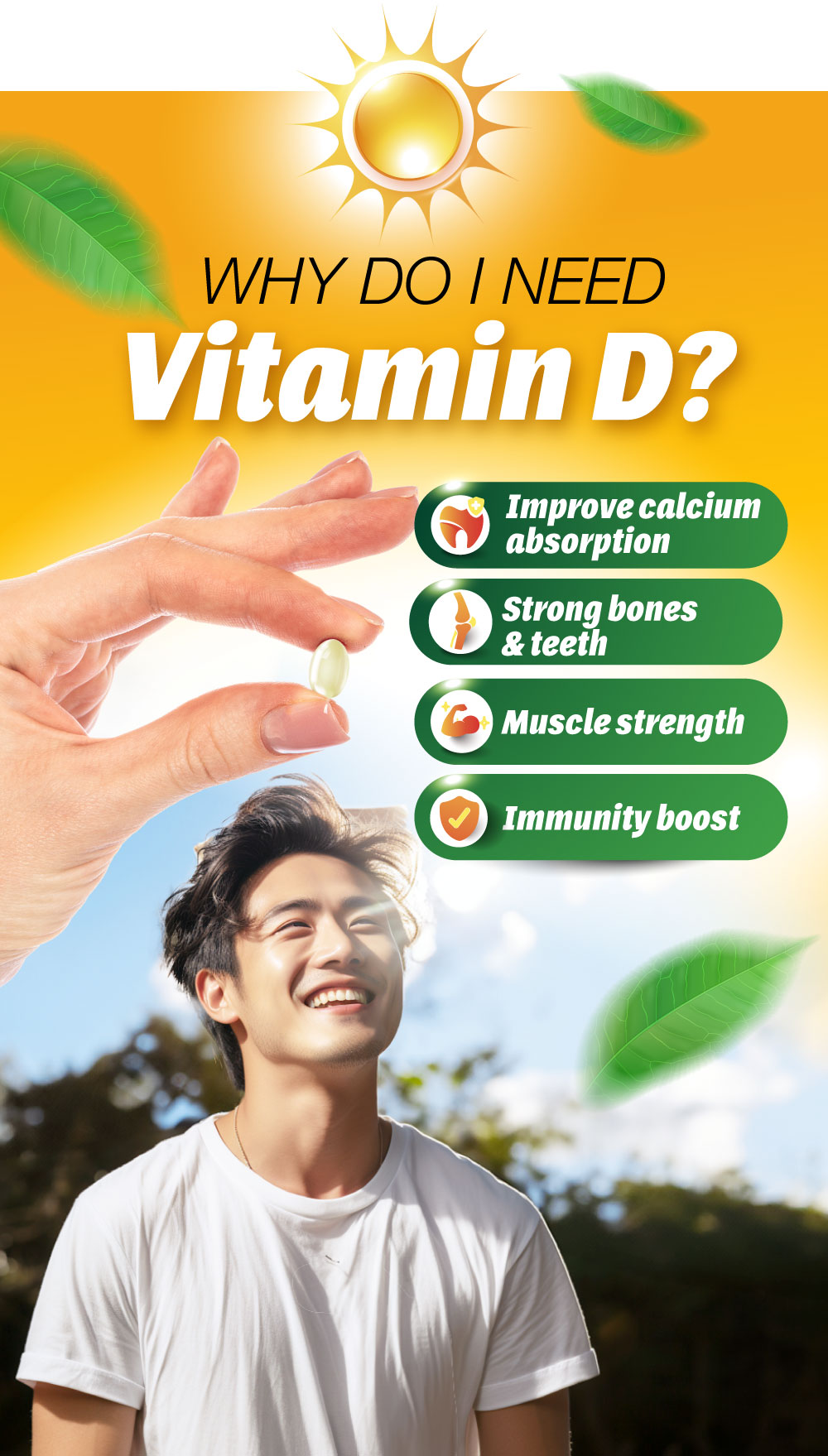
More benefits include
• Supports healthy inflammatory response
• Supports healthy blood glucose
• Supports healthy blood pressure
• Supports healthy heart health
• Boost energy levels
• Supports mental health
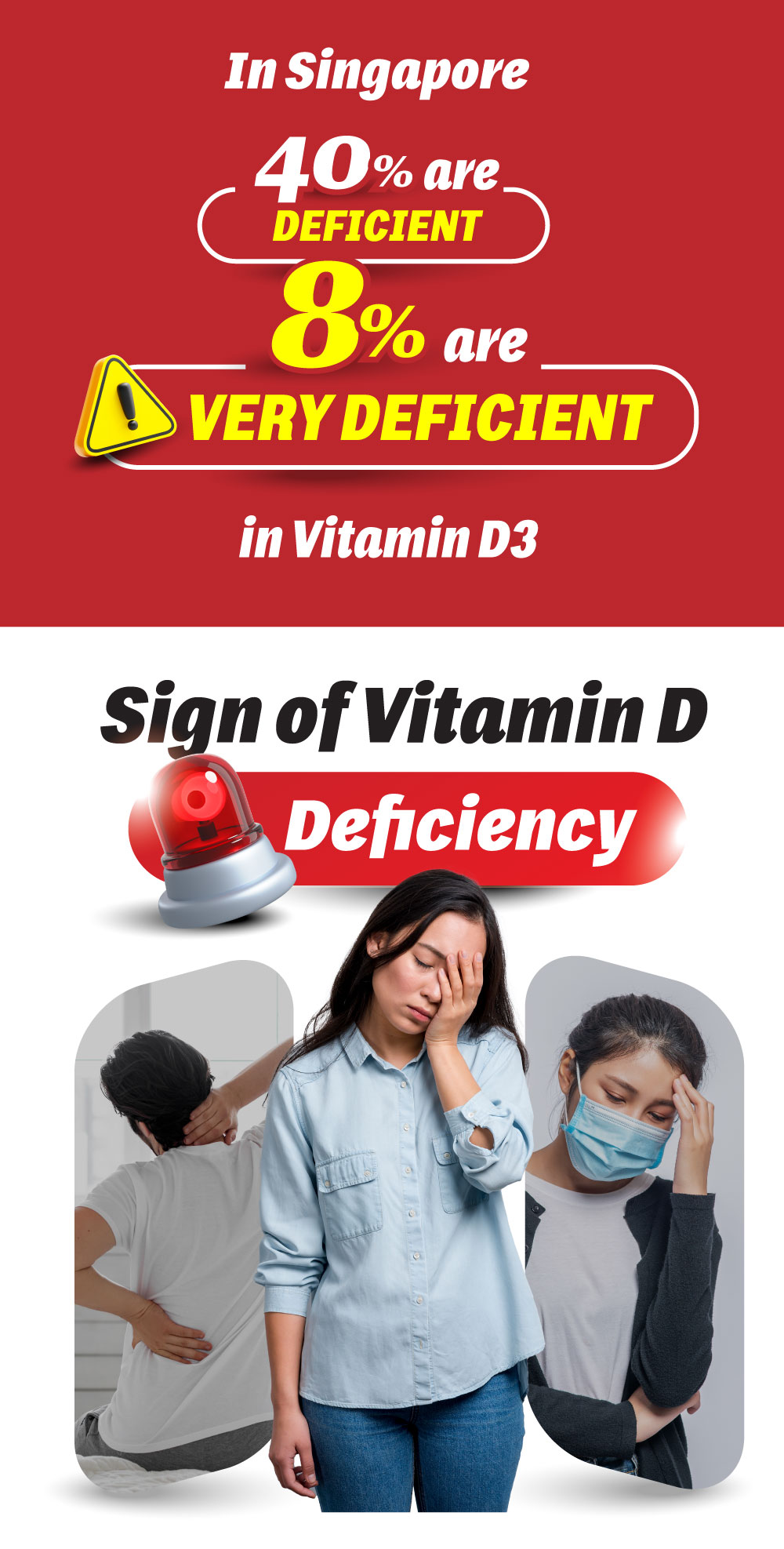
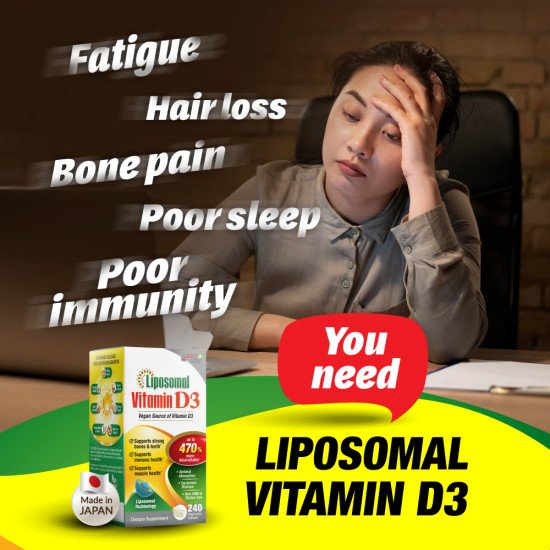
Prolonged insufficient oral intake and limited exposure to sunlight can cause a deficiency in vitamin D3. Some signs of deficiency are:
• Fatigue
• Bone pain
• Muscle aches, weakness, or cramps
• Mood changes, such as feelings of sadness
• Loss of appetite
• Hair loss
• Pale skin
• Poor immunity
• Poor sleep

Because Liposomal Vitamin D3 has liposomal protection, it safeguards the vitamin D from breakdown by gastric acid and allows for direct delivery into the body’s cells for utilization.
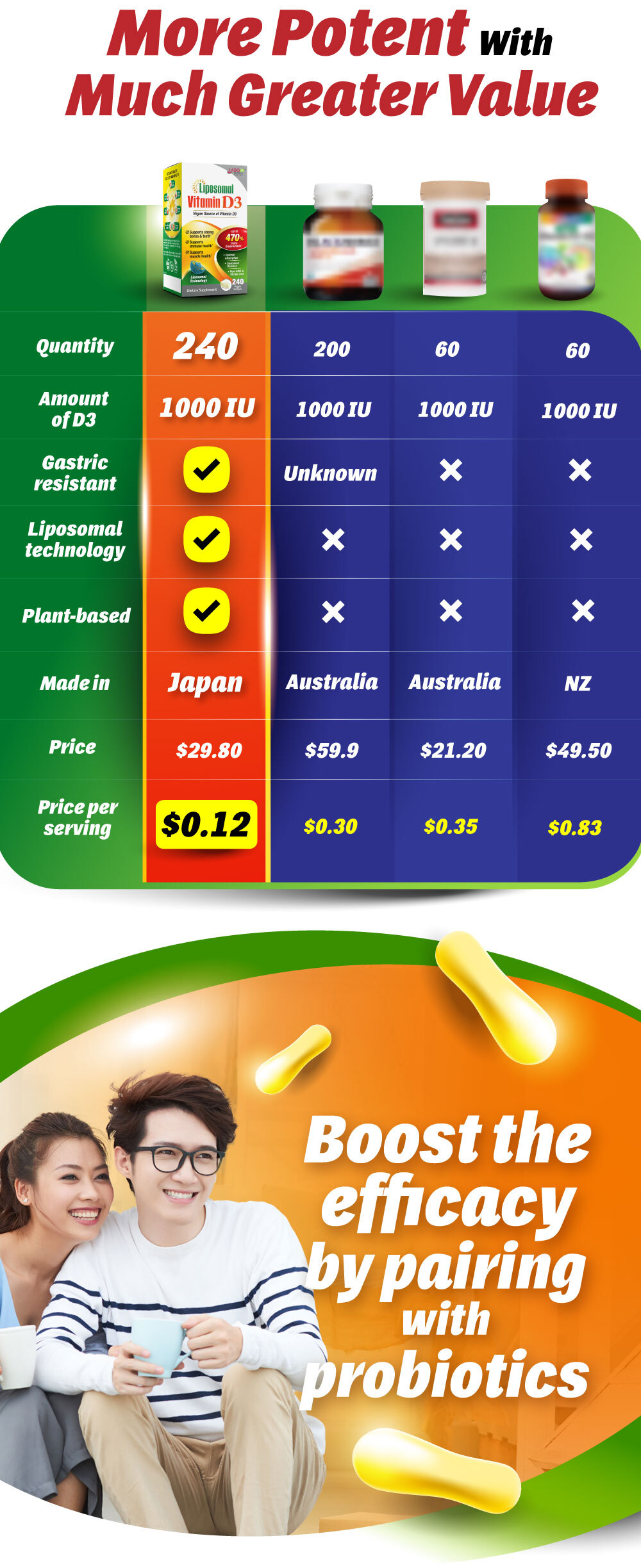
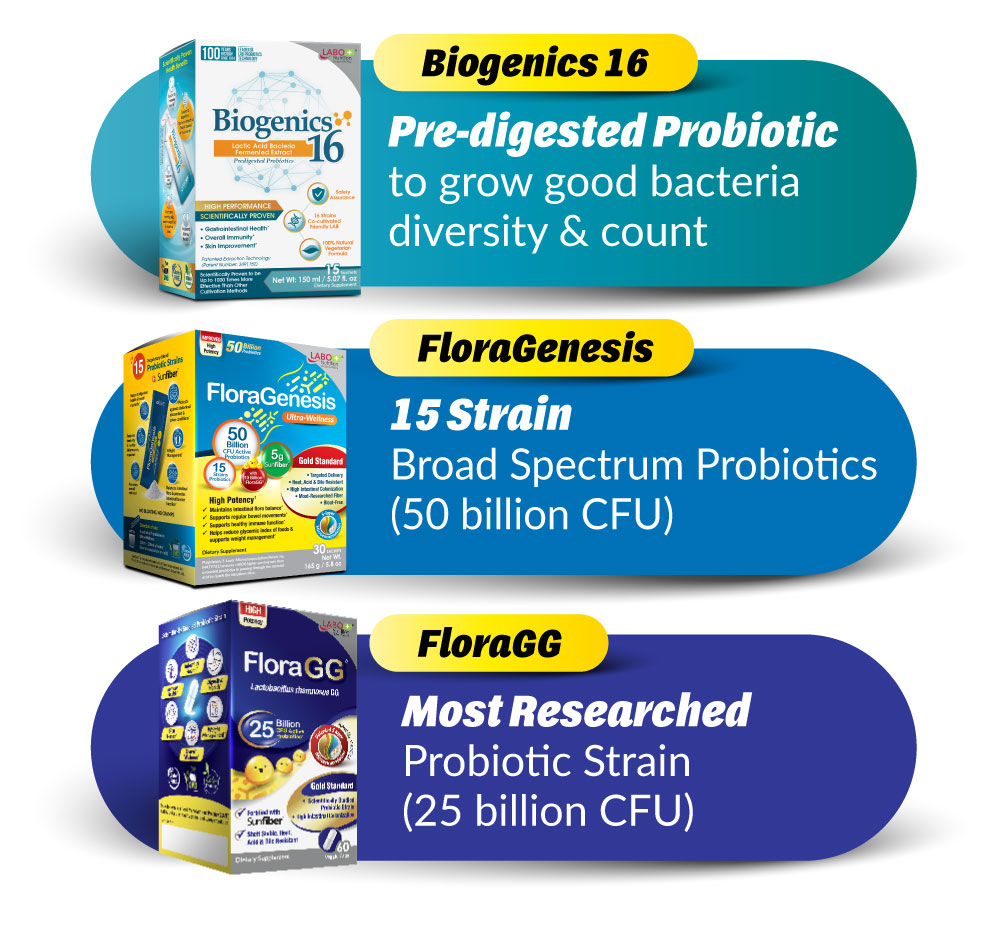
The integrity of the intestinal wall impacts the absorption of vitamin D. Higer levels of vitamin D levels are correlated with greater diversity and higher good bacteria count in the gut. Pair Liposomal Vitamin D3 with these high strength probiotics to boost intestinal health and vitamin D3 absorption.