






This offer ends in:




Research proven health benefits of quercetin:
The following are extracted from published clinical studies, in-house studies, and/or case studies and are for reference purposes only. This does not imply that the product from Lifestream Group Pte Ltd is claimed to replicate the same results produced in the studies. This information is not a substitute for professional medical advice, diagnosis, or treatment. If you have any questions about a medical condition, please consult your physician or other qualified healthcare providers. Any statements or claims made have not been evaluated by the relevant regulatory bodies and are not intended to diagnose, treat, cure, or prevent any disease.
By using the Site, you agree that you have read and acknowledge the above and the Terms of Use for this Site.
Mitigate airway inflammation
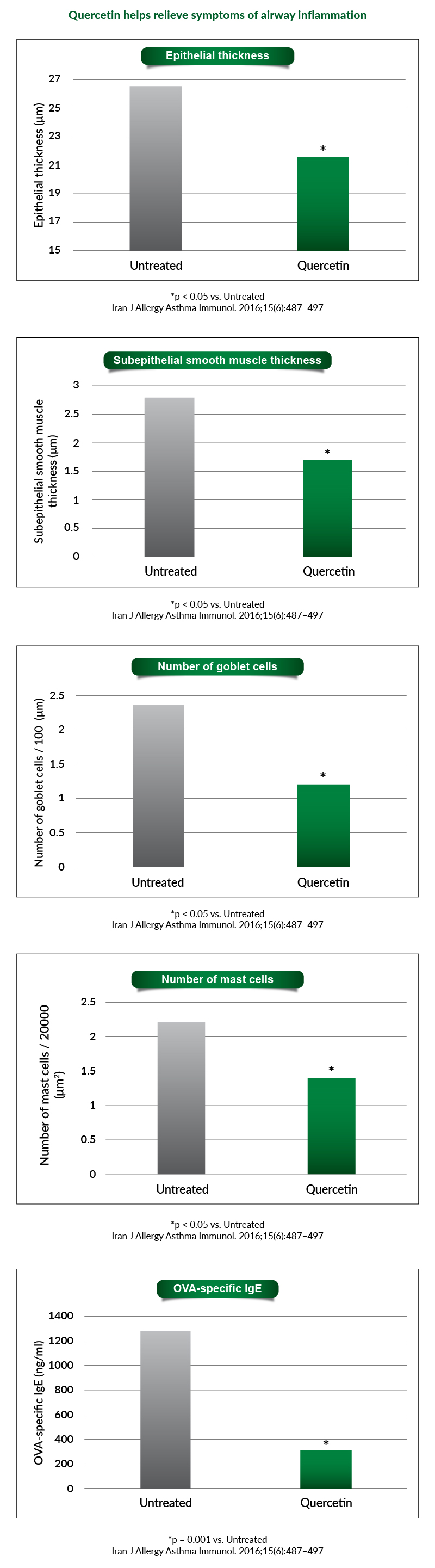
In this animal test, mice were induced with airway inflammation by administering ovalbumin intraperitoneally via inhalation, followed by administration of 16 mg/kg/day quercetin. Epithelium thickness, subepithelial smooth muscle thickness, number of mast and goblet cells, and basement membrane thickness were examined using lung samples, while OVA-specific lgE levels in the serum was measured using standard ELISA protocols. Goblet cells are responsible for the secretion of mucus, while mast cells release histamine, which then contributes to chronic airway inflammatory response. lgE is an antibody that is produced when the immune system overreacts to an allergen.
Compared to untreated group, quercetin treatment significantly reduced epithelial thickness, subepithelial smooth muscle thickness, goblet and mast cell numbers (p < 0.05). In addition, OVA-specific lgE in serum were significantly lower in quercetin group than control (p < 0.05). These findings suggest the beneficial effects of quercetin on airway inflammation.
Relieve symptoms of rhinitis
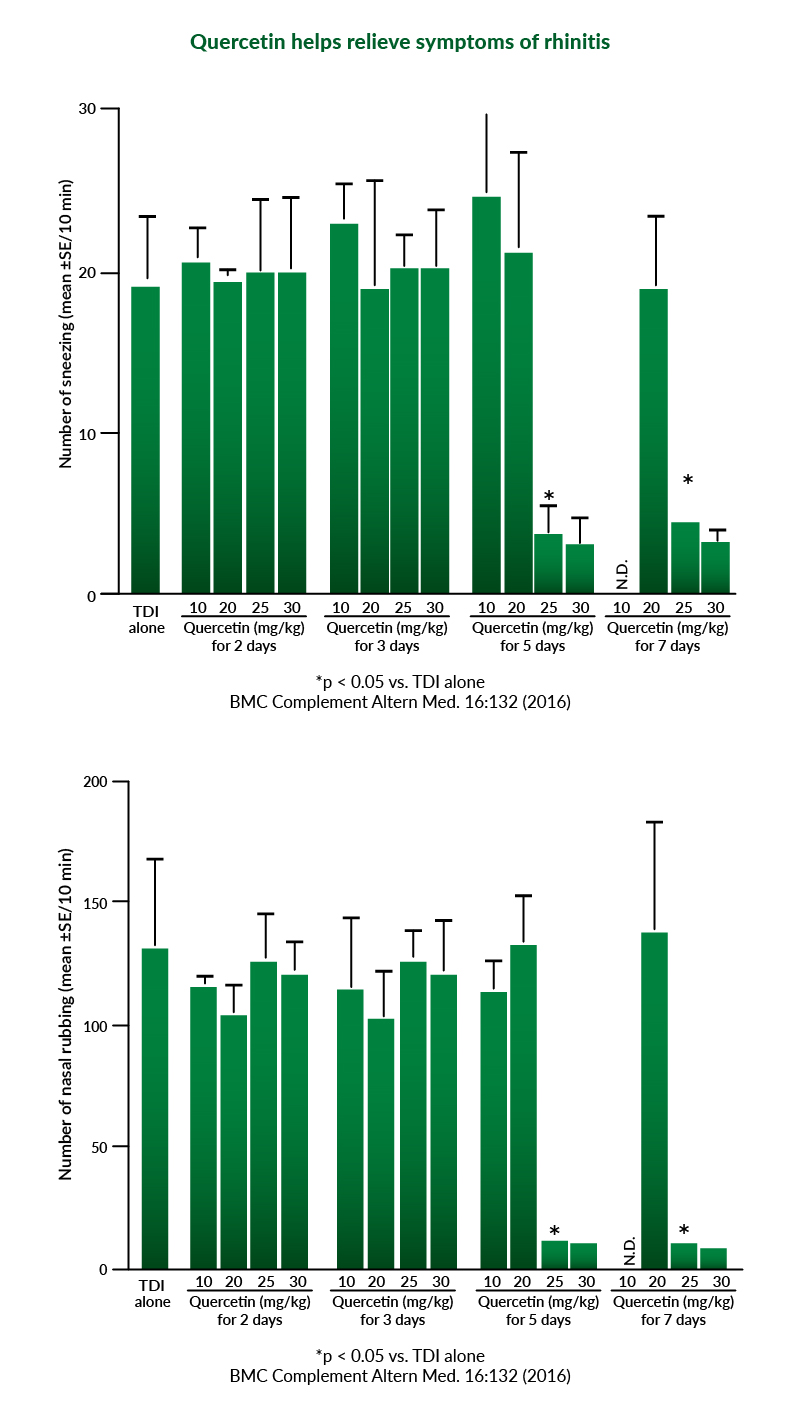
In this animal test, rats were induced rhinitis by intranasal instillation of a 10% toluene 2,4-diisocyanate (TDI) in ethyl acetate in a volume of 5 μL once a day for 5 consecutive days, which was repeated after a 2-day interval. After 5 days of the second sensitisation, the rats were administered with different doses of quercetin once a day for 2 to 7 days. The cold-like symptoms were assessed by counting sneezing and nasal rubbing behaviours for 10 minutes just after TDI nasal challenge. Results showed that administration of quercetin for 5 and 8 days could suppress sneezing and nasal rubbing movements, which were increased by TDI sensitisation, suggesting the potential use of quercetin in managing rhinitis.
Relieve symptoms of atopic dermatitis
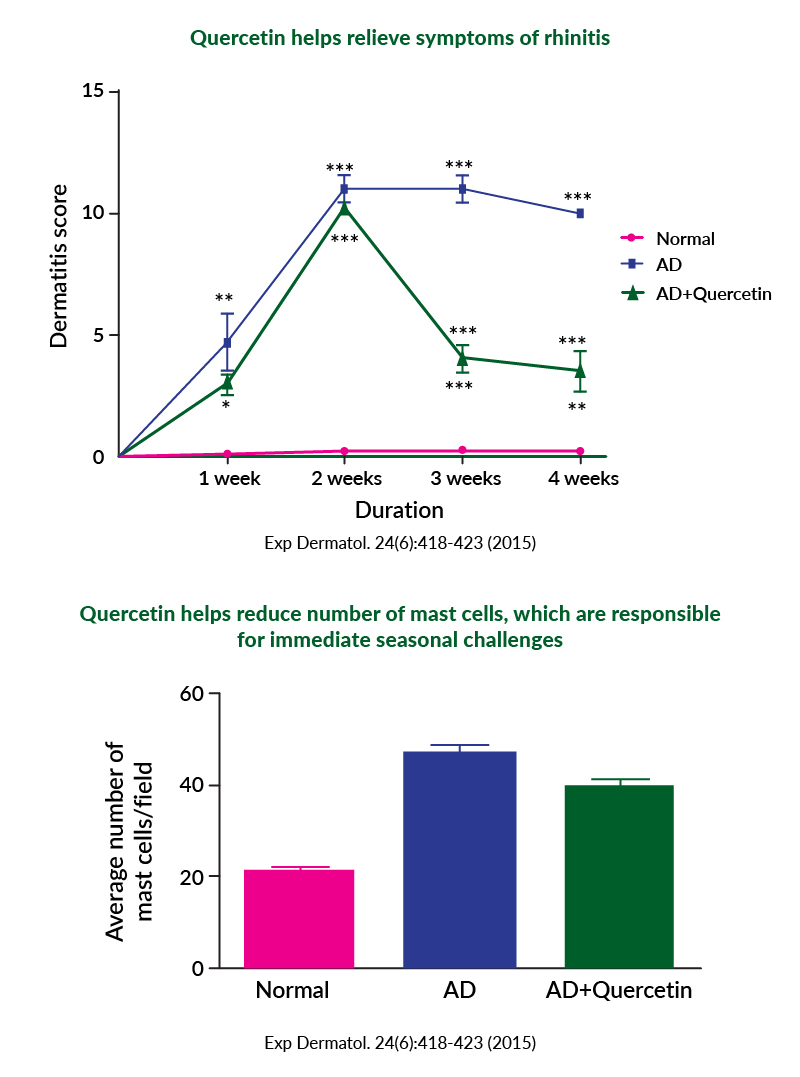
In this animal test, mice were induced atopic dermatitis (AD)-like lesion by the application of house dust mite extract to the skin. After AD induction, 50 mg/kg quercetin was administered daily for 2 weeks and dermatitis severity was evaluated. In addition, histopathological changes and changes in protein expression of inflammatory markers in the skin of AD mice were determined. Administration of quercetin attenuated the development of AD-like skin lesions, suppressed the mast cells and infiltration of inflammatory cells, as well as downregulated inflammatory markers. These findings suggest the beneficial effects of quercetin on skin inflammation and symptoms of atopic dermatitis.
Support cardiovascular health
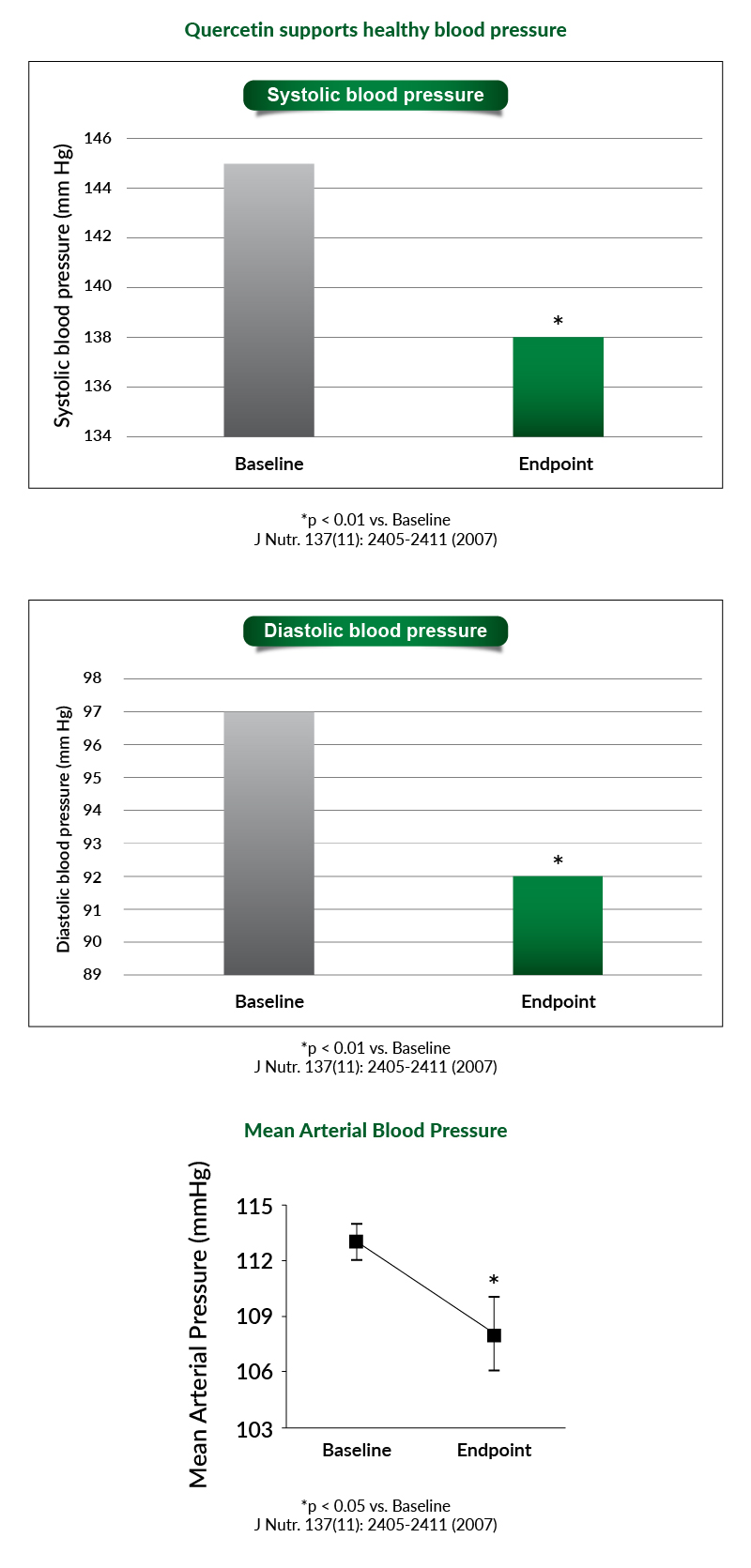
In this clinical trial, stage 1 hypertension individuals were orally administered 730 mg quercetin or placebo daily for 28 days. Results showed that systolic, diastolic and mean arterial pressures reduced in the patients after quercetin administration, suggesting the beneficial effects of quercetin on cardiovascular health.
Support healthy inflammatory response
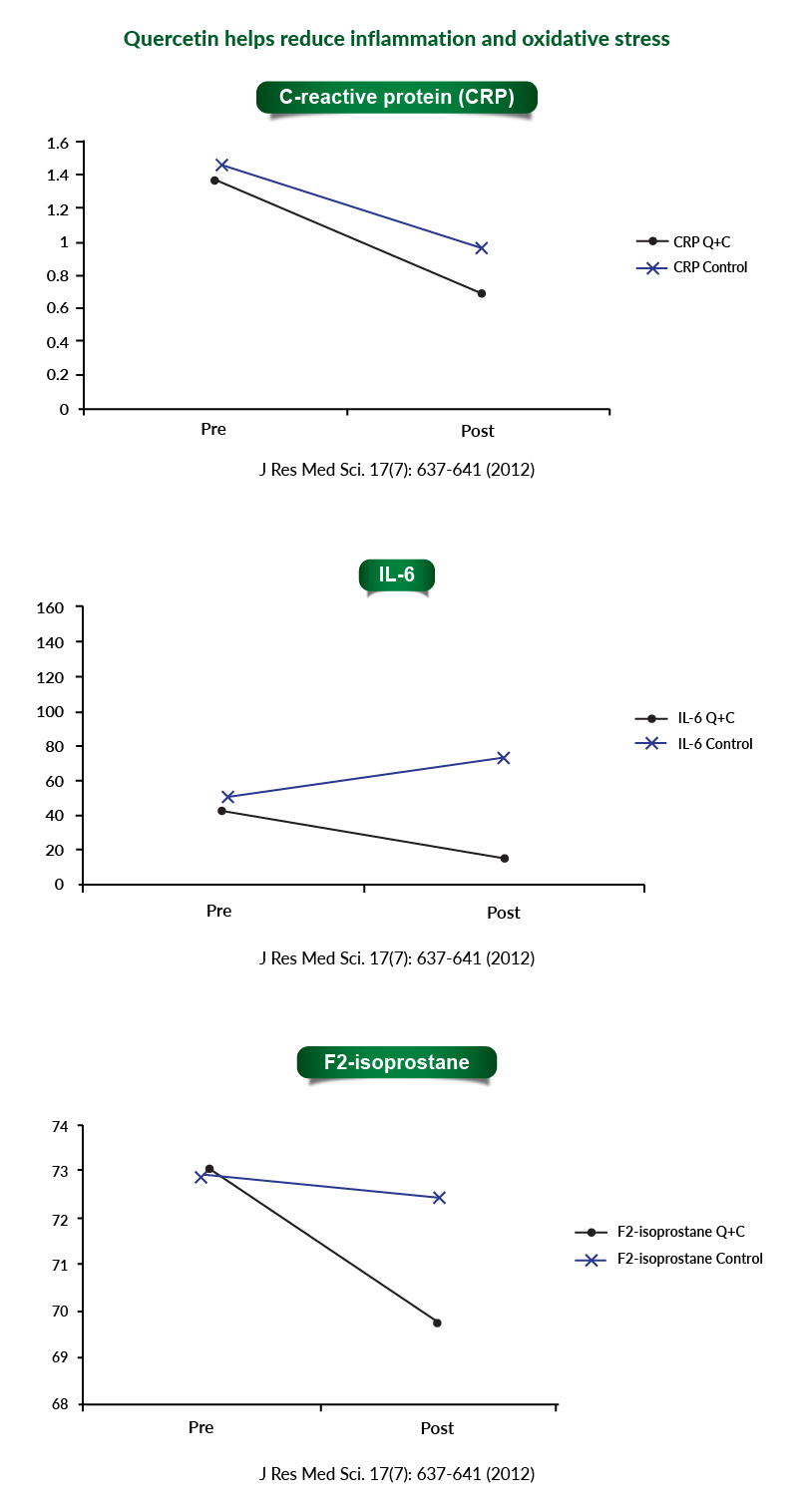
In this clinical study, nonprofessional athletes with systematic and regular exercise for 8 weeks were orally administered 500 mg quercetin + 250 mg vitamin C (Q + C) and placebo (Control) for 8 weeks. The inflammatory markers IL-6 and C-reactive protein (CRP), as well as oxidative stress biomarker, which is F2-isoprostane was investigated before and after intervention. The 8-week supplementation was effective in reducing inflammation and oxidative stress markers, suggesting the anti-inflammatory and antioxidative benefits of quercetin.
Support brain health
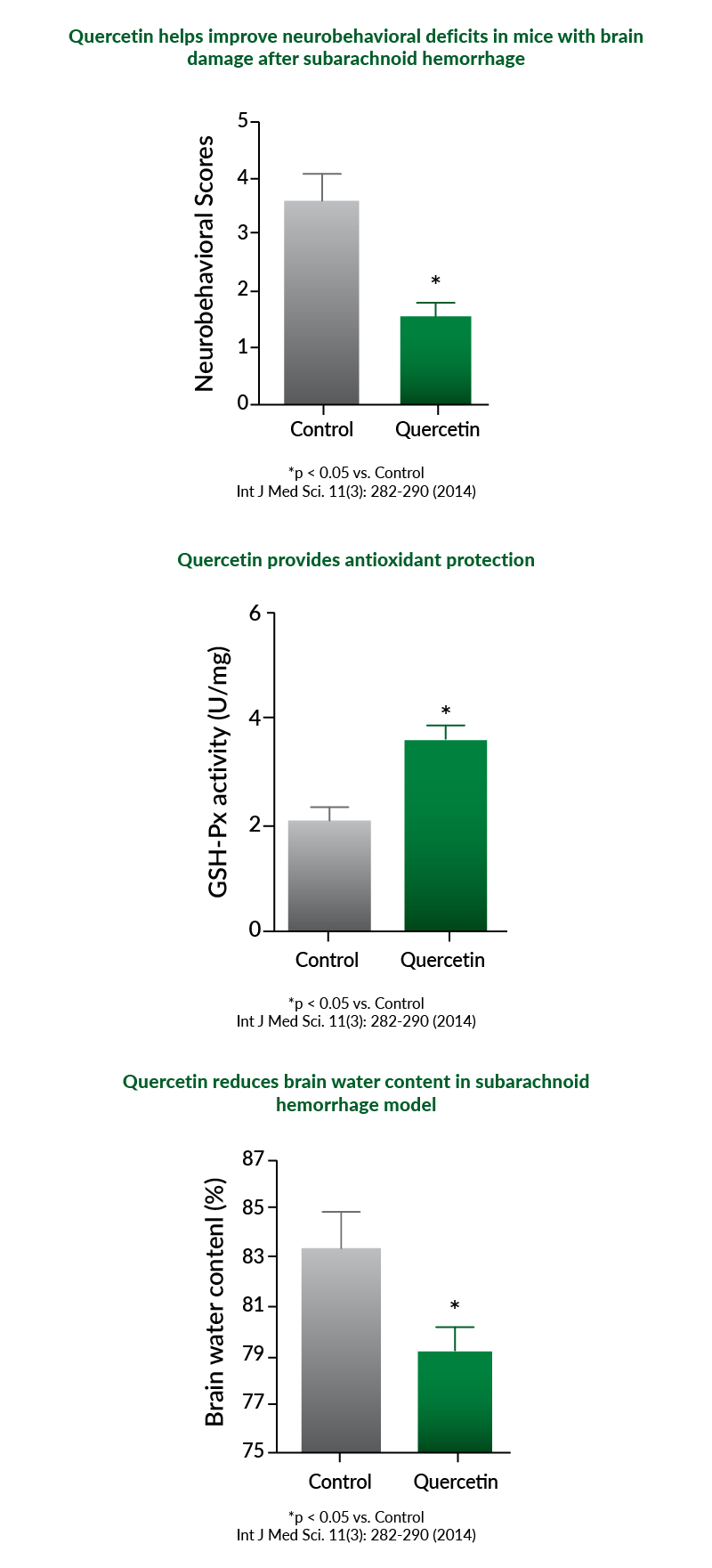
In this animal test, adult male rats with brain damage after subarachnoid hemorrhage (SAH) were administered 50 mg/kg quercetin by intraperitoneal injection at 30 minutes, 12 hours and 24 hours after SAH induction. 48 hours after SAH, cerebral tissue samples were extracted for determining enzymatic antioxidant, lipid peroxidation, caspase-3 activity and water content. Administration of quercetin enhanced the activities of glutathione peroxidase (GSH-Px, an antioxidant enzyme) and reduced the level of malondialdehyde (MDA), a product of lipid peroxidation. In addition, brain edema was mitigated and neurobehavioral deficits improved in rats that received quercetin. These findings suggest that early administration of quercetin may help ameliorate brain damage and provide neuroprotection for subarachnoid haemorrhage.
Synergetic benefits of quercetin and vitamin C
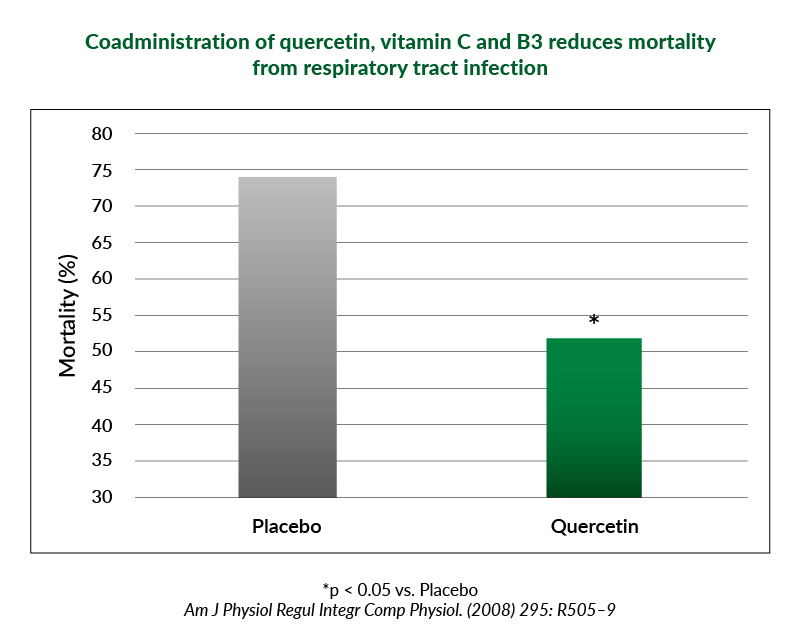
Vitamin C, which is also known as ascorbic acid, is crucial for healthy immune function and antioxidant protection. Meanwhile, quercetin is a powerful flavonoids whose immune-enhancing and antiviral properties have been supported in numerous studies. Quercetin interferes at virus entry, virus replication and protein assembly, protecting against virus infection. Attributed to their overlapping immunomodulatory properties, co-administration of vitamin C and quercetin would augment the therapeutic effects of quercetin, especially for both protection and therapy for respiration tract infections.
Study 1: Stressful exercise is linked to increased susceptibility to upper respiratory tract infection. In this animal test, mice were orally administered 12.5 mg/kg/week quercetin together with vitamin C and B3, or placebo (only vitamin C and B3) for 7 days before induced susceptibility to influenza H1N1 by stressful exercise. The mice were monitored for morbidity (time to sickness), symptom severity, and mortality (time to death) for 21 days. Administration of quercetin together with vitamin C and B3 offset the increase in susceptibility to infection, including morbidity, mortality, and symptom severity on days 5-7 (P<0.05). These findings suggest the synergistic effects of quercetin, vitamin C and B3 in mitigating the susceptibility to respiratory infection due to stressful exercise.
Synergetic benefits of quercetin and black pepper extract
Black pepper extract contains a major active compound known as piperine. Piperine is known to increase the bioavailability of nutrients by improving their absorption. In addition, piperine also allows the quercetin to stay longer in the body for physiological effects by suppressing UDP-glucuronosyltransferase enzymes (UGTs) that would otherwise break down the quercetin in the blood plasma.
Study 1: In this experiment, the inhibitory effects of piperine on UDP-glucuronosyltransferase (UGT) activities towards 3-OH-BP (UGT1A1) and 4-OH-biphenyl (UGT2B1) were investigated. Piperine significantly impaired the rate of glucuronidation of 3-OH-BP (UGT1A1) by UGT in rat liver. In guinea pig small intestine, UGT activity on both 3-OH-BP (UGT1A1) and 4-OH-biphenyl (UGT2B1) were significantly inhibited, with less than 25 μM piperine causes a more than 50% inhibition of UGT (Biochem Pharmacol. 46(2): 229-238 (1993).